
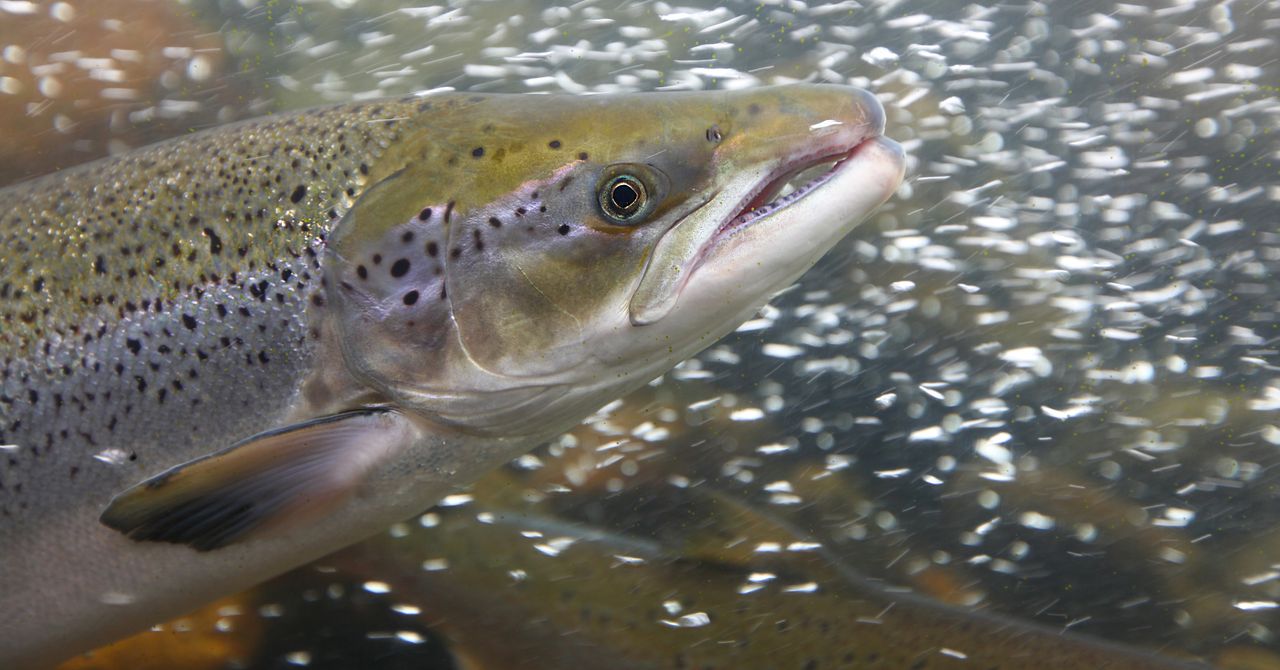
Cocaine pollution can affect the behavior of fish—altering, for example, the way Atlantic salmon move through their environment, prompting them to swim farther and disperse over a wider area.
So finds a recent study by a research team coordinated by Griffith University, the Swedish University of Agricultural Sciences, the Zoological Society of London, and the Max Planck Institute of Animal Behavior and published in the journal Current Biology. The findings provide the first evidence that the effects of cocaine contamination on fish behavior occur not only under laboratory conditions but also in the wild, where animals are exposed to much more complex