
How climate change may increase antibiotic resistance

Climate change could increase hard-to-treat bacterial infections, two studies suggest.

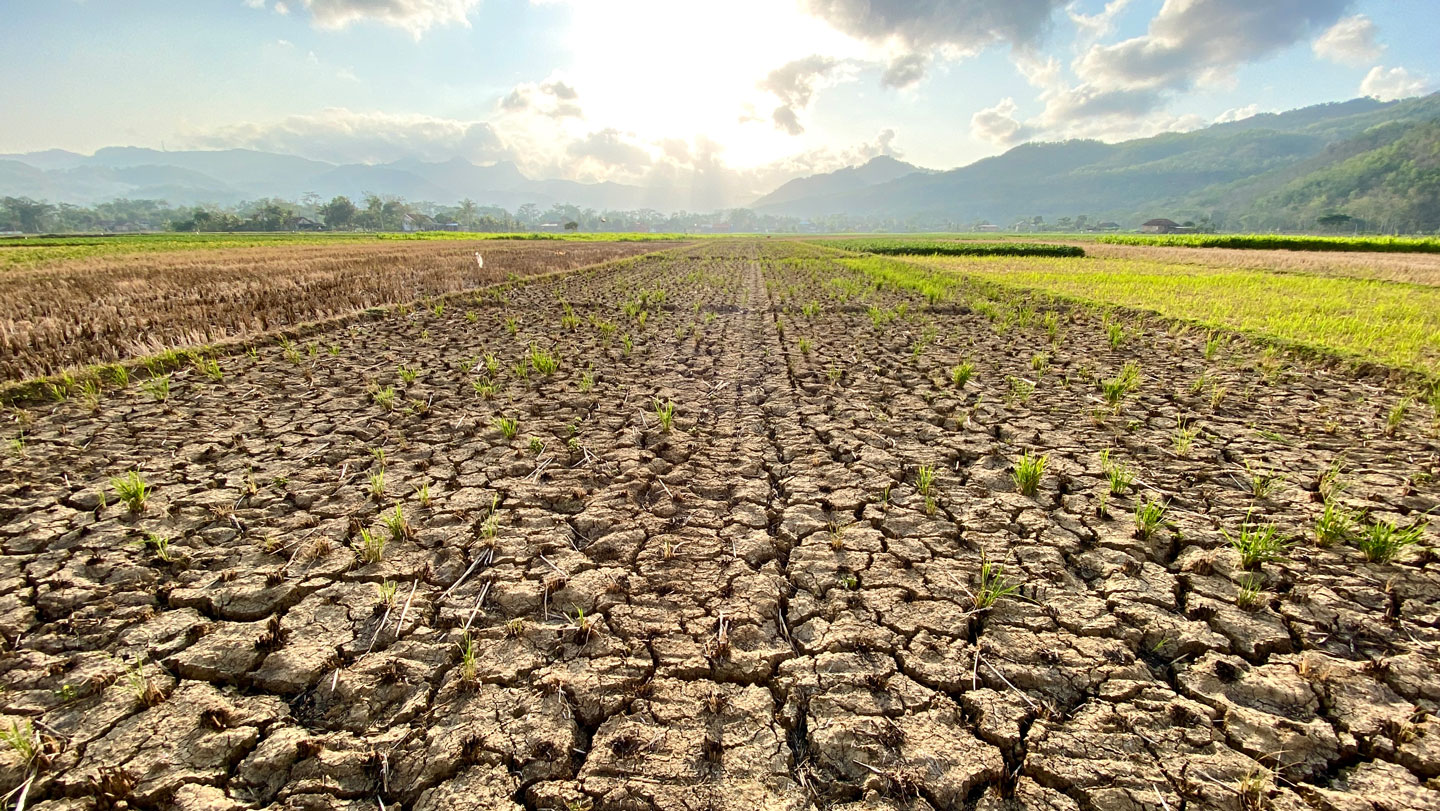
Heat boosted antibiotic resistance among bacteria found in artificially warmed grassland soils, researchers report April 22 in Nature. And as drought strips the soil of moisture, antibiotics in the environment become concentrated in the little water that remains, encouraging the growth of resistant microbes, another team reports in the April Nature Microbiology.

The two studies point to heat and drought driven by climate change as forces behind a rise in antibiotic resistance in natural environments, which could in turn threaten human health.

#newsletter-helper svg { width: auto; fill: #f1563e; } #newsletter-helper { display: flex; border-top:

→ Continue reading at Science News

More from author

Related posts

Advertisment

Latest posts

Tesla’s making money. But it’s planning to spend an awful lot more

A logo for Tesla is seen on a vehicle at a Tesla facility...

Scientists Gave Cocaine to Salmon and You Will Absolutely Believe What Happened Next

Cocaine pollution can affect the behavior of fish—altering, for example, the way Atlantic salmon move through their environment, prompting them to swim farther and...

Judge tosses Laura Loomer’s lawsuit, says Bill Maher joke wasn’t defamation

A federal judge on Wednesday tossed out prominent Trump ally Laura Loomer’s defamation lawsuit against Bill Maher and HBO, ruling that the “Real...