
In the long shadow of the asteroid that wiped out the dinosaurs, life appears to have bounced back with surprising speed.
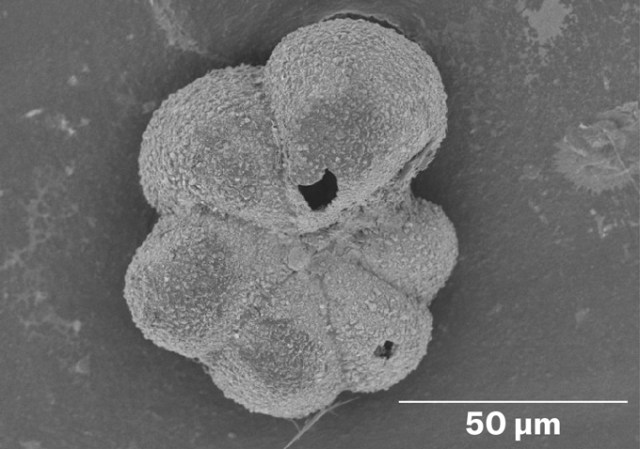
A new analysis of sedimentation rates suggests that the first wave of marine species emerged within a few thousand years of the mass extinction event, many millennia quicker than many scientists assumed.
The findings, reported January 21 in Geology, invite a rethink of how rapidly evolution can rebuild biological diversity — not just as it did after the Chicxulub asteroid struck Earth 66 million years ago, but perhaps also today and into the future as climate change and other human pressures accelerate the pace of ecological upheaval.