
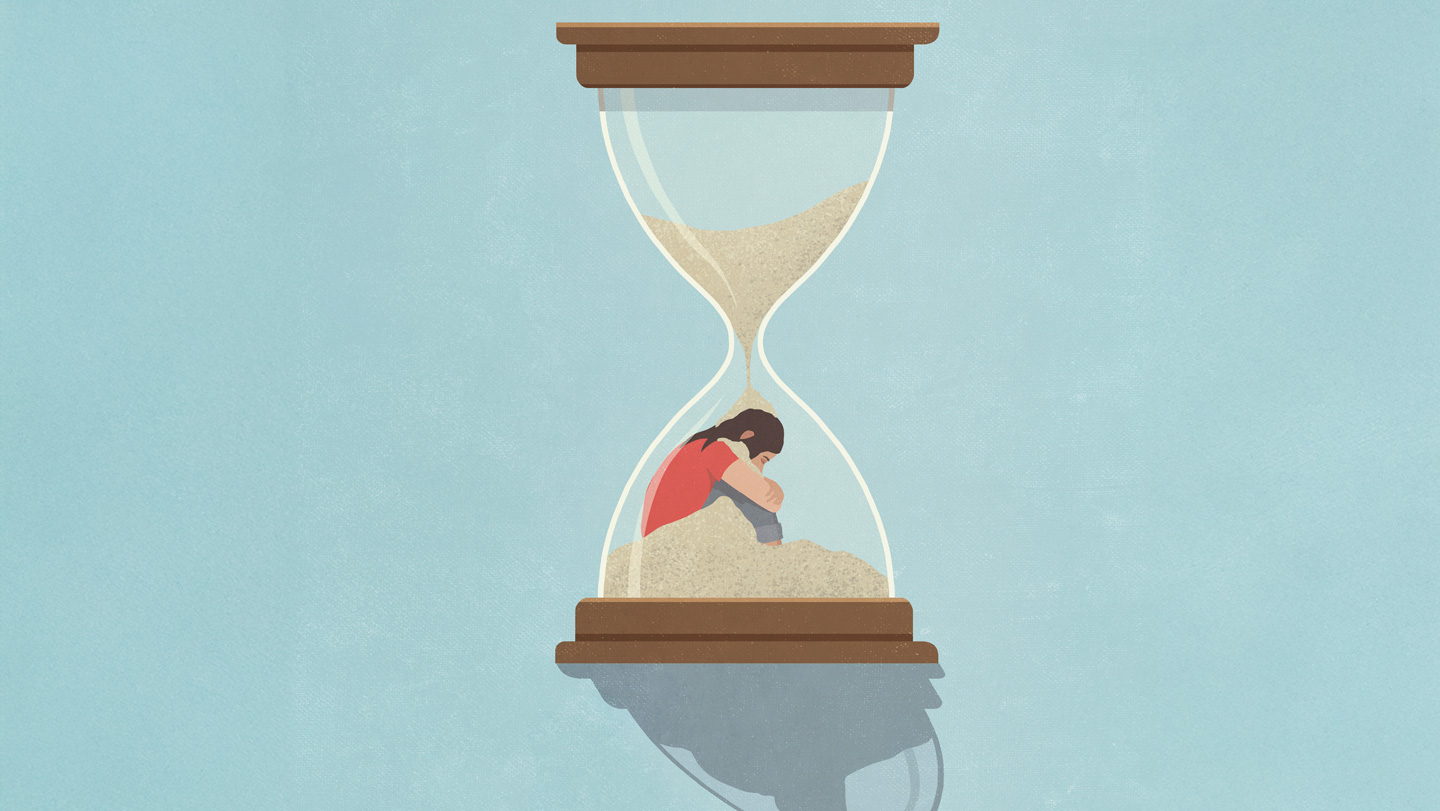
Wishing for an extra hour in the day is a common refrain throughout the industrialized world. And every fall, in places where the clocks fall back an hour, that wish reaches fruition. Yet many people still wind up feeling time-crunched. What gives?
People often view time and time poverty — the feeling of having too much to do and not enough time to do it — as objective and quantifiable. But while inadequate free time is linked with reduced well-being, bean-counting leisure hours “doesn’t get at the experience of time,” says sociologist Michael Flaherty of Eckerd College in St. Petersburg, Fla.
#newsletter-helper svg { width: