
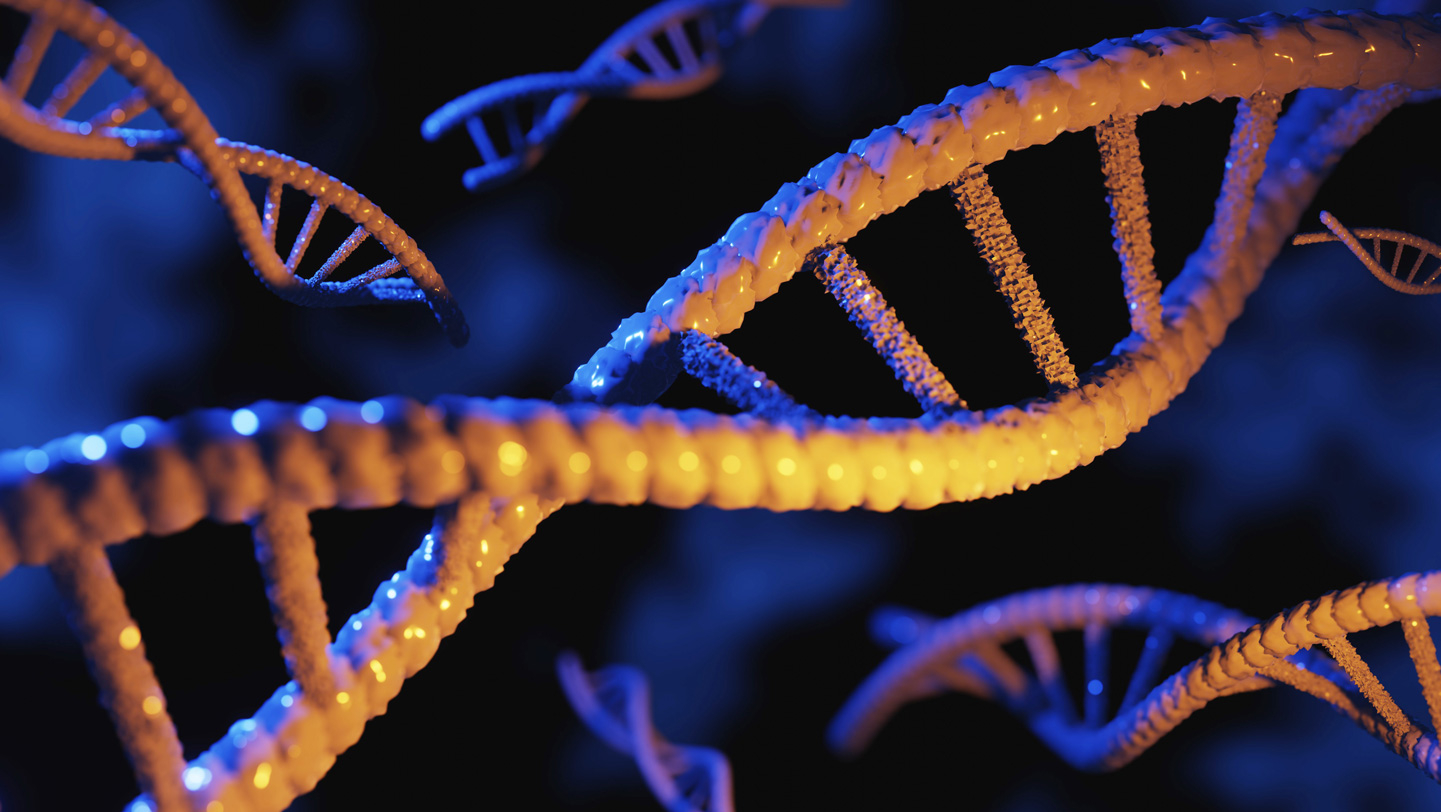
AI generated its first working genome: a tiny bacteria killer

Artificial intelligence can dash off more than routine emails. It has now written tiny working genomes. 

Two AI models designed the blueprints for 16 viruses capable of attacking Escherichia coli in lab dishes, researchers report September 17 in a paper posted to bioRxiv.org. A mixture of these AI-generated bacteriophages stopped virus-resistant E. coli strains from growing, suggesting that the technique could help scientists design therapies capable of taking on tough-to-treat microbial infections. The work has not yet been peer-reviewed.

#newsletter-helper svg { width: auto; fill: #f1563e; } #newsletter-helper { display: flex; border-top: 1px solid gray; padding-top: 10px; padding-left: 20px; margin-bottom: 10px; max-width: 900px; margin: auto

→ Continue reading at Science News

More from author

Related posts

Advertisment

Latest posts

These parachutes unfurl thanks to the Japanese art of kirigami

Senior physics writer Emily Conover has a Ph.D. in physics from the University of Chicago. She is a two-time winner of the D.C....

This Startup Wants to Put Its Brain-Computer Interface in the Apple Vision Pro

Startup Cognixion announced today that it is launching a clinical trial of its wearable brain-computer interface technology integrated with the Apple Vision Pro to...

Cardiologist: Why AI can’t fully explain your symptoms, and how to use it instead | CNN Business

Cardiologist: Why AI can't fully explain your symptoms, and how to use it instead In a recent episode of 'Terms of Service,' Dr. Pierre...