
The original version of this story appeared in Quanta Magazine.
The world of mathematics is full of unreachable corners, where unsolvable problems live. Now, yet another has been exposed.
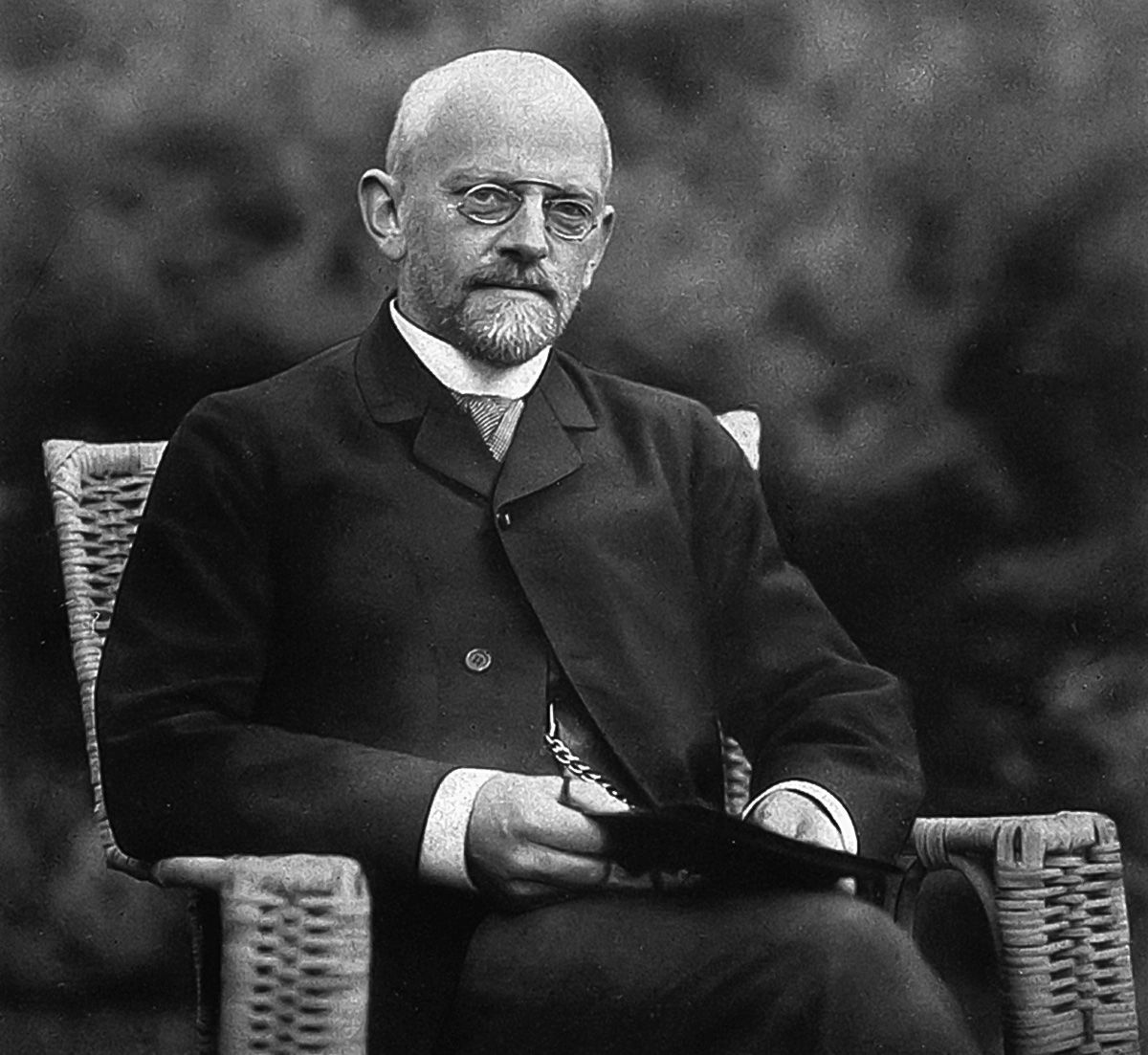
In 1900, the eminent mathematician David Hilbert announced a list of 23 key problems to guide the next century of mathematical research. His problems not only provided a road map for the field but reflected a more ambitious vision—to build a firm foundation from which all mathematical truths could be derived.
A key part of this vision was that mathematics should be “complete.” That is, all its statements should be provably true or false.
In the 1930s, Kurt Gödel demonstrated that this is impossible: