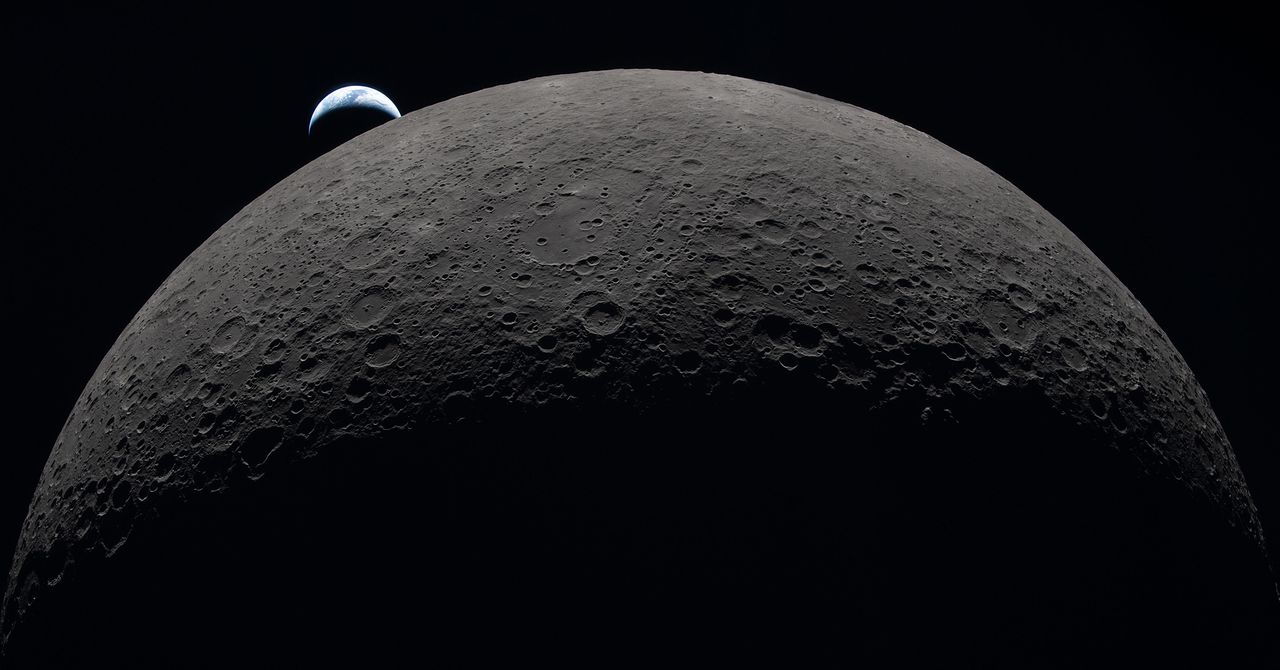
NASA Wants to Put Nuclear Reactors on the Moon
Having demonstrated that it has the operational capability to transport humans safely to the moon and back, the United States is moving on to its next major aim: It wants nuclear reactors in

Having demonstrated that it has the operational capability to transport humans safely to the moon and back, the United States is moving on to its next major aim: It wants nuclear reactors in

Meghan Rosen is a senior writer who reports on the life sciences for Science News. She earned a Ph.D. in biochemistry and molecular biology with an emphasis in biotechnology from the University of
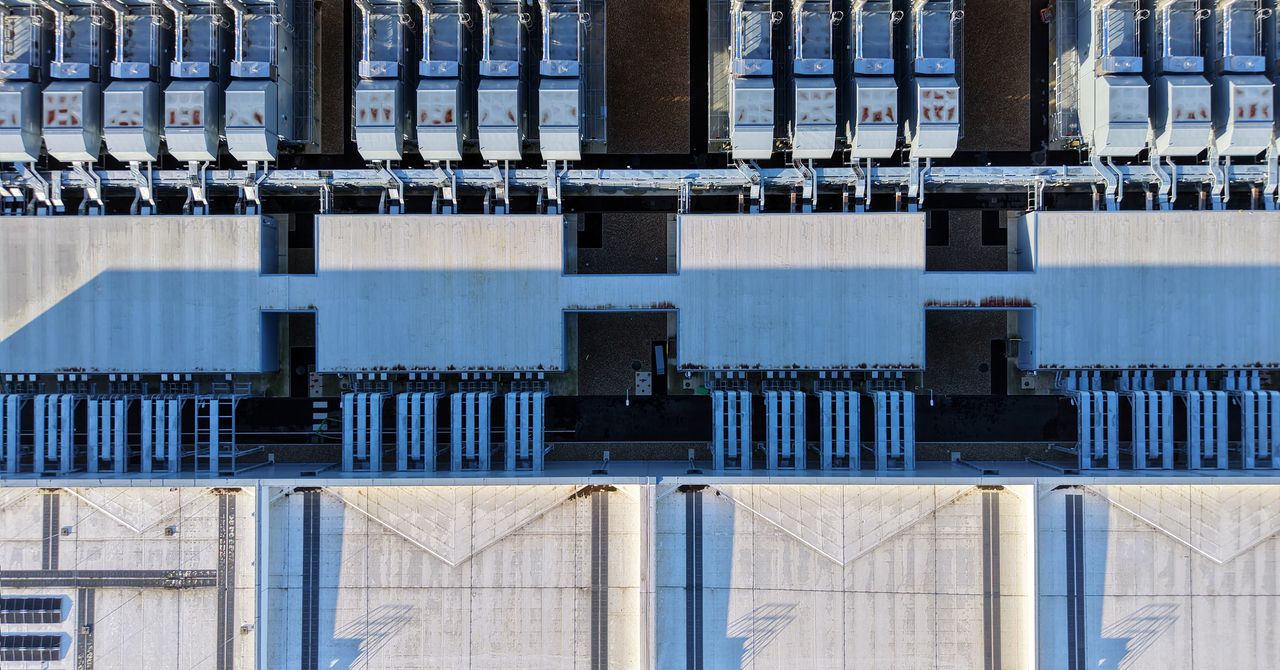
The US federal government’s central energy information agency is planning to implement a mandatory nationwide survey of data centers focused on their energy use, according to a letter seen by WIRED. This survey

Some people’s genes influence how much weight they will lose and what side effects they will experience while taking GLP-1 drugs, such as Ozempic and Zepbound. The genetic testing company 23andMe conducted a

Mathematician Kevin Buzzard of Imperial College London is training computers how to prove one of the most famous problems in math history: Fermat’s last theorem. Resolving the problem isn’t the point. There’s already

It’s a scene that sounds like it was lifted from Alien—a researcher interested in extraterrestrial life descends into the depths of a cave, where a droplet filled with creepy crawlies lands smack dab
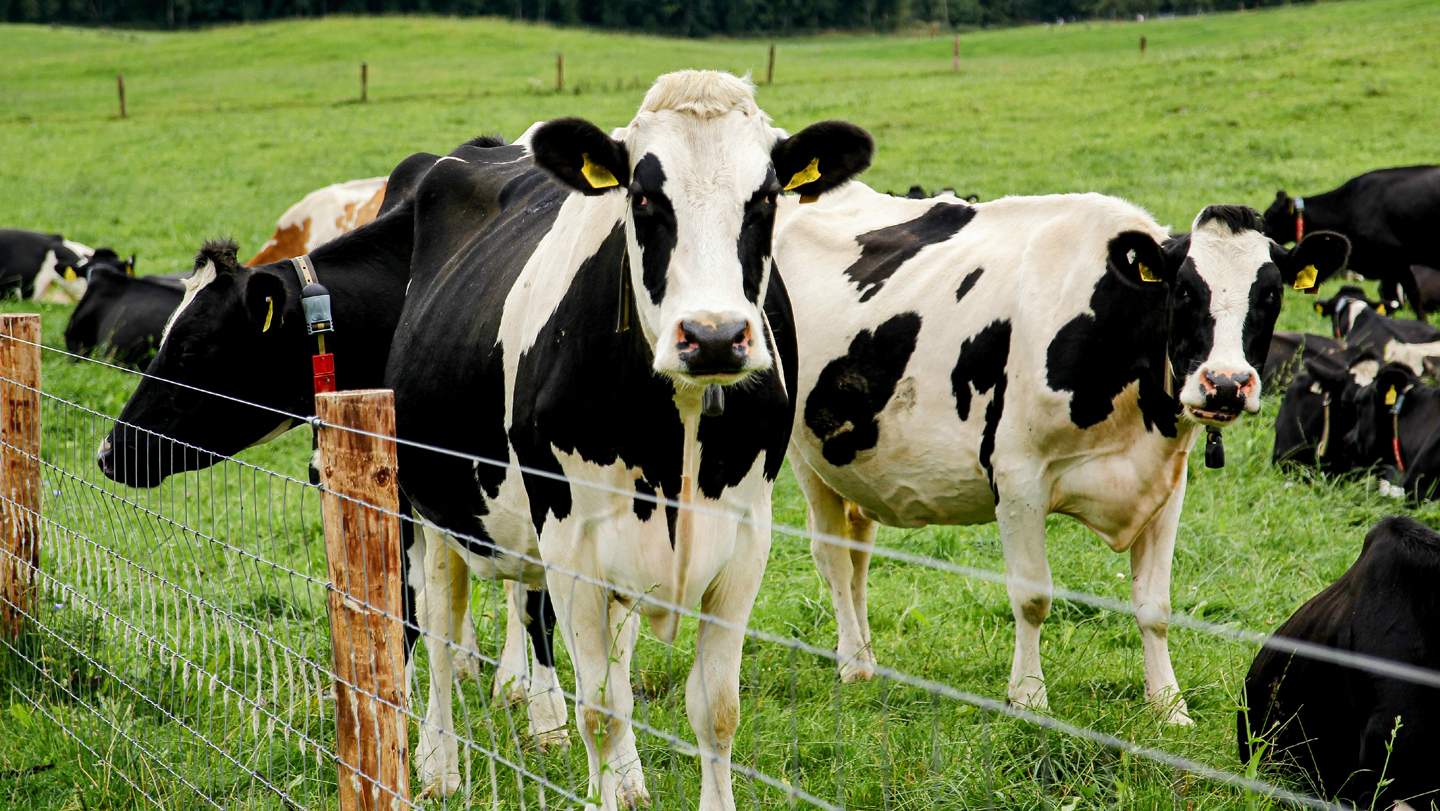
H5N1 bird flu viruses have acquired a molecular trick that makes them more easily infect mammary glands in cattle, but this adaptation does not appear to affect humans. To infect cells, influenza viruses
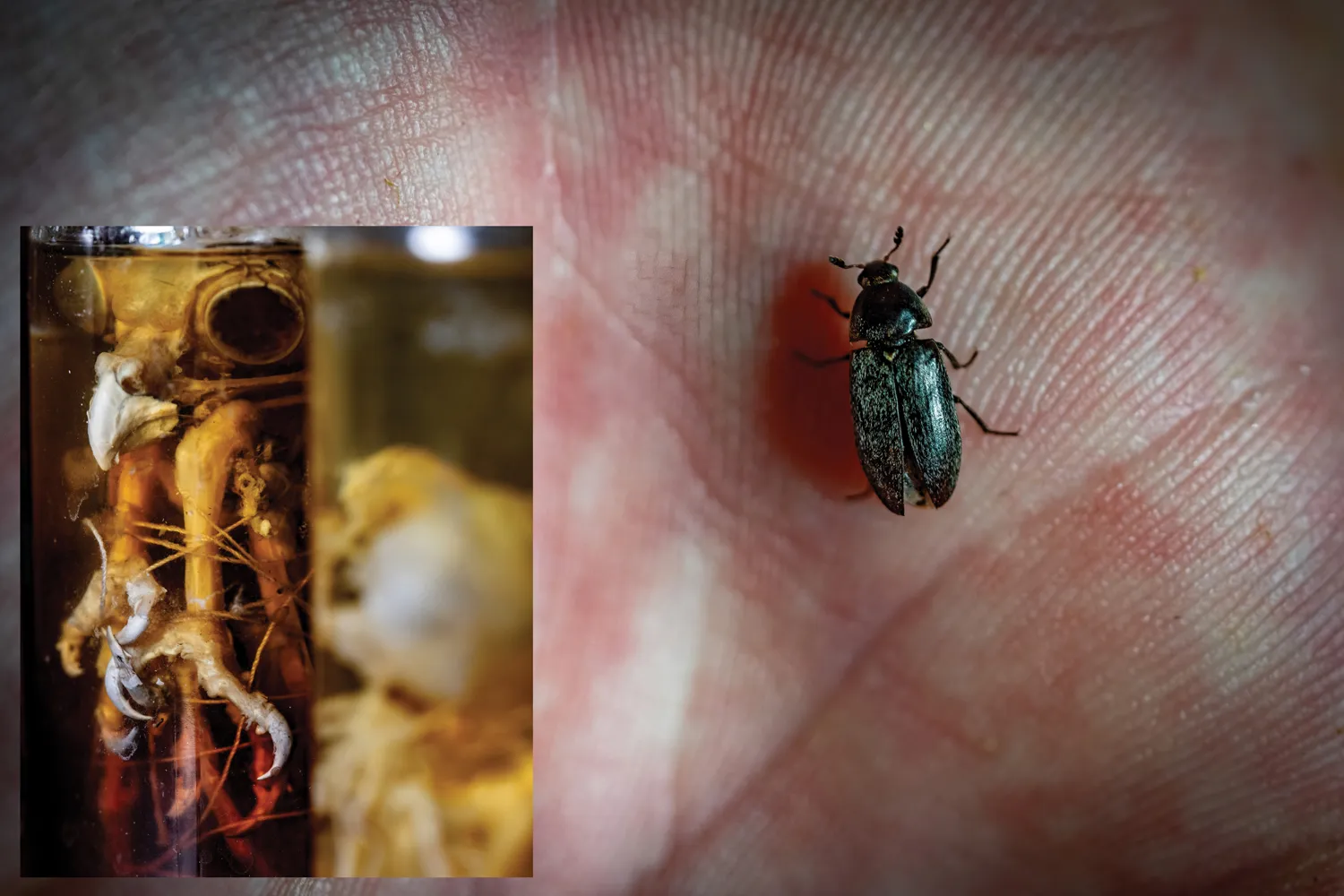
Text By Meghan RosenPhotos By Stephen Voss April 14, 2026 Meteorites billions of years old, alienlike worms, a blue whale’s massive jaw bones. These are just some of the millions of marvels that

Next time you’re about to ask an AI chatbot to help you solve a hard problem, you might want to slow your roll. People who waited to consult an AI chatbot until
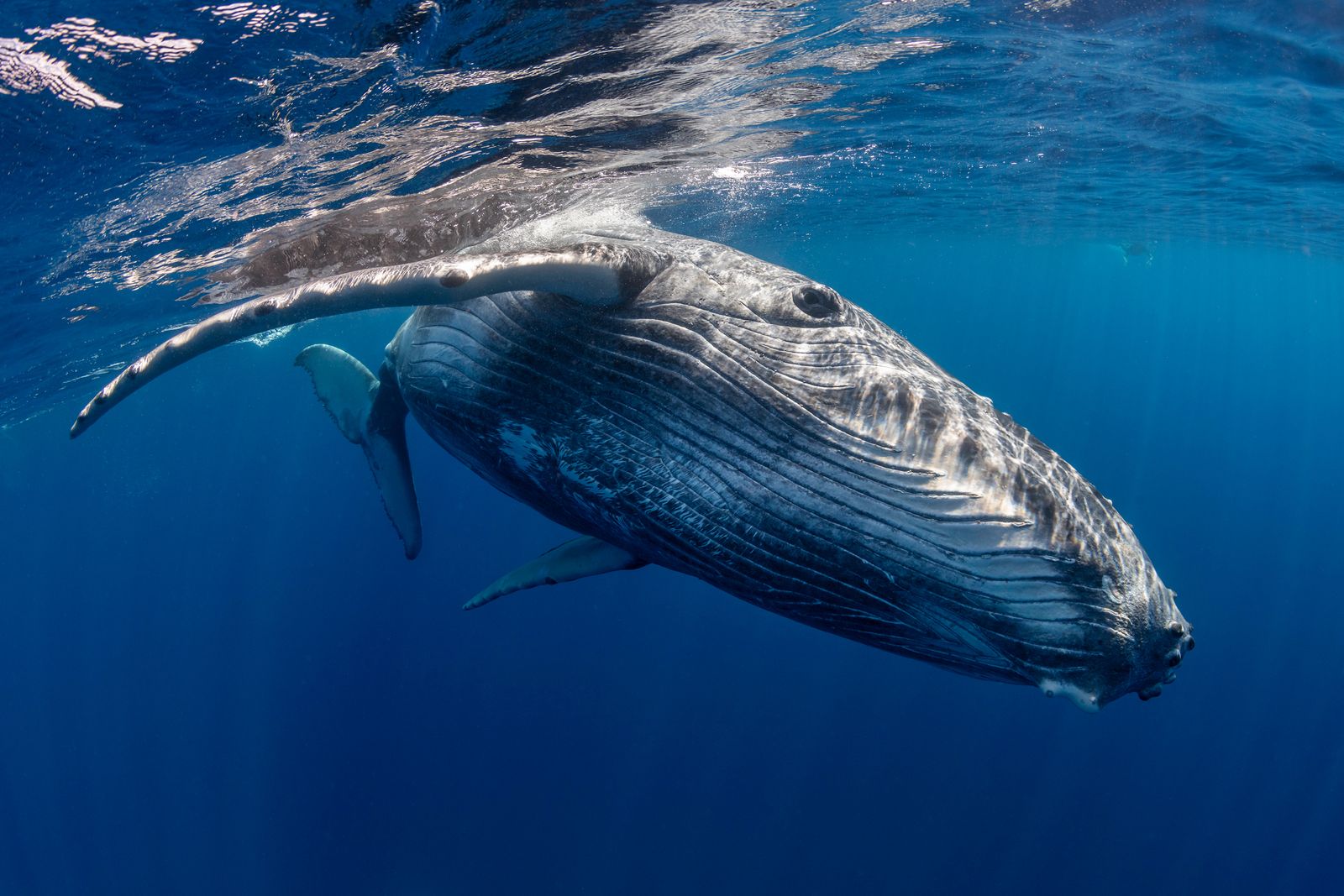
Beneath the surface of the Strait of Hormuz and the surrounding Gulf lies a biological sanctuary. The region is home to around 7,000 dugongs and fewer than 100 Arabian humpback whales—a nonmigratory population