
AI helps archaeologists solve a Roman gaming mystery

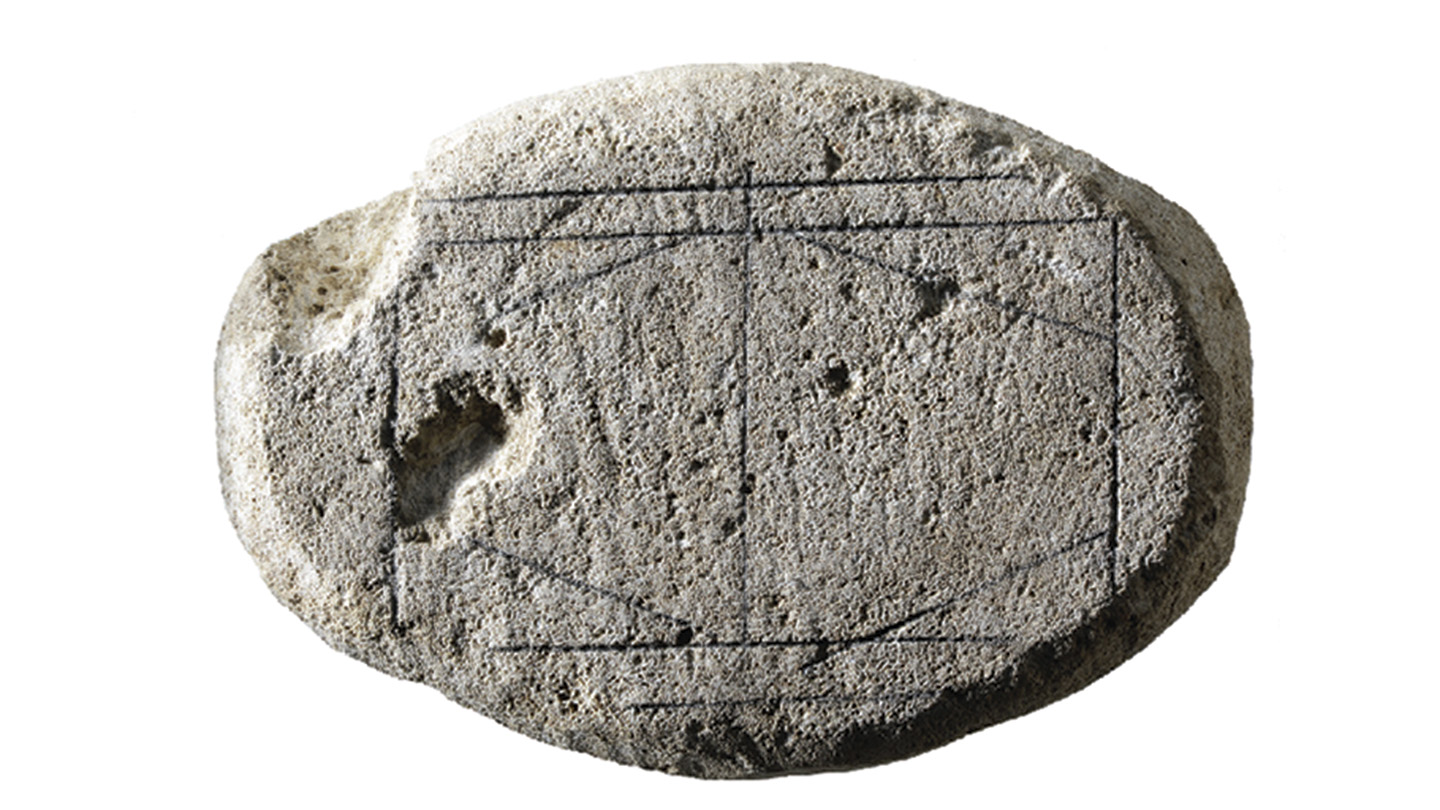
An old, flattened piece of limestone inscribed with a crisscross of grooves looks like the board for a game, but for nearly a century, no one knew how the game was played. Now, researchers have used artificial intelligence to reverse-engineer the rules, revealing the board was probably part of a “blocking” game played by the Romans.

The innovative approach to solving how the game was played had virtual game players run through more than 100 sets of possible rules. The researchers’ goal was to determine which set of rules best created the wear patterns on the limestone, Leiden University archaeologist Walter Crist and his colleagues report in the February

→ Continue reading at Science News

More from author

Related posts

Advertisment

Latest posts

The world’s oldest piece of clothing might be an Ice Age–era hide from Oregon

Two small scraps of elk hide, joined by a cord of twisted fibers and preserved for roughly 12,400 years in an Oregon rock...

This Startup Thinks It Can Make Rocket Fuel From Water. Stop Laughing

There’s been this hand-wave, this assumption, this yada yada at the core of our long-term space programs. If we can return astronauts to the...

A new social media platform creates buzz – but it’s just for AI bots

A new social media platform launched last week and it's got Silicon Valley buzzing, but it's not for humans. Moltbook is a platform...