
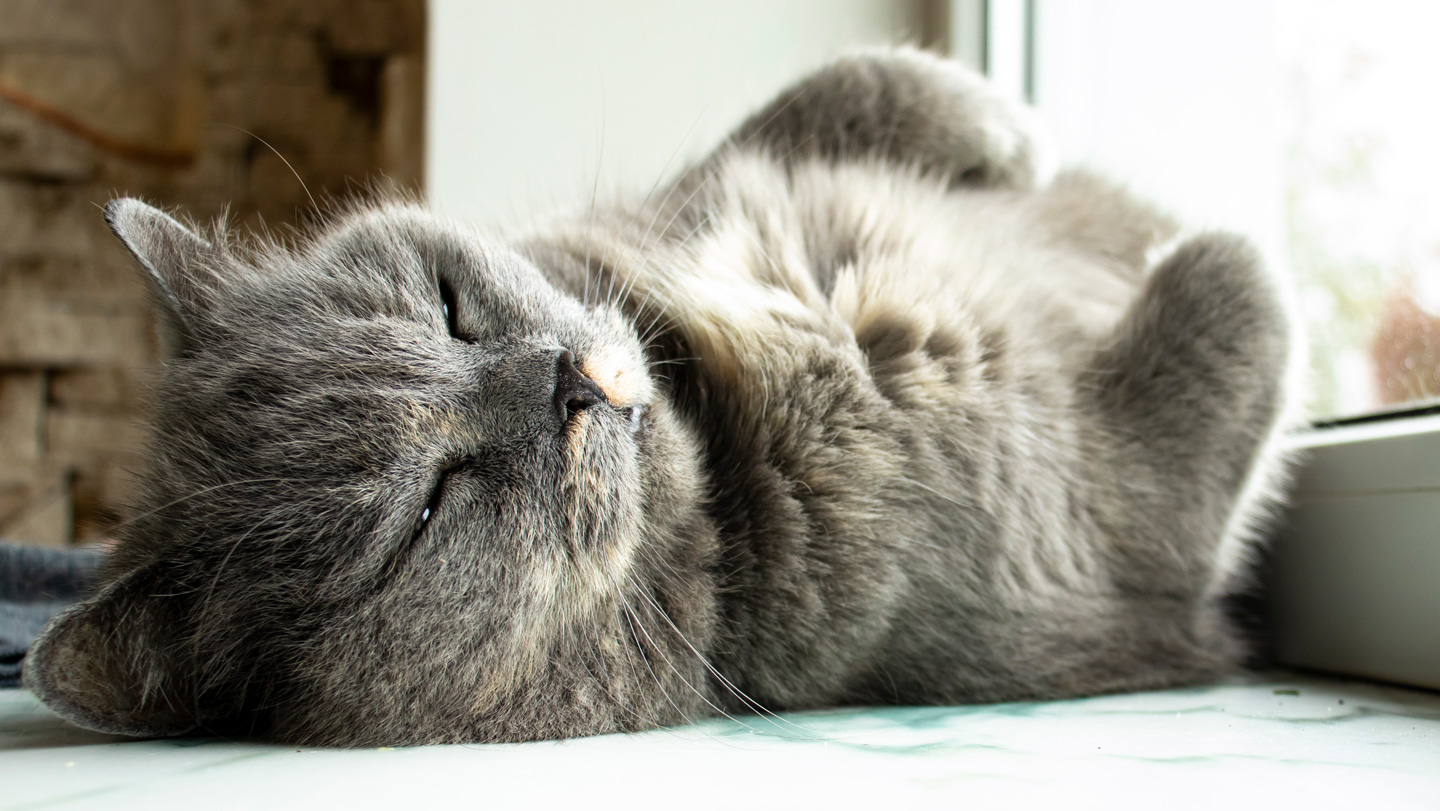
As cats age, they may yowl more than usual at night, have trouble sleeping or sleep too much, and act generally confused or disoriented. Now a new study shows that, just like in humans with Alzheimer’s disease, amyloid-beta plaques build up in the brains of aging felines and may contribute to dementia-like behaviors.
In cats, that buildup could be causing a cascade of problems within the brain, such as hyperactivation of immune and other supporting brain cells that attack the synapses that connect nerve cells, researchers report August 11 in European Journal of Neuroscience. Aged cats with and without dementia had similar features and only a small number of