
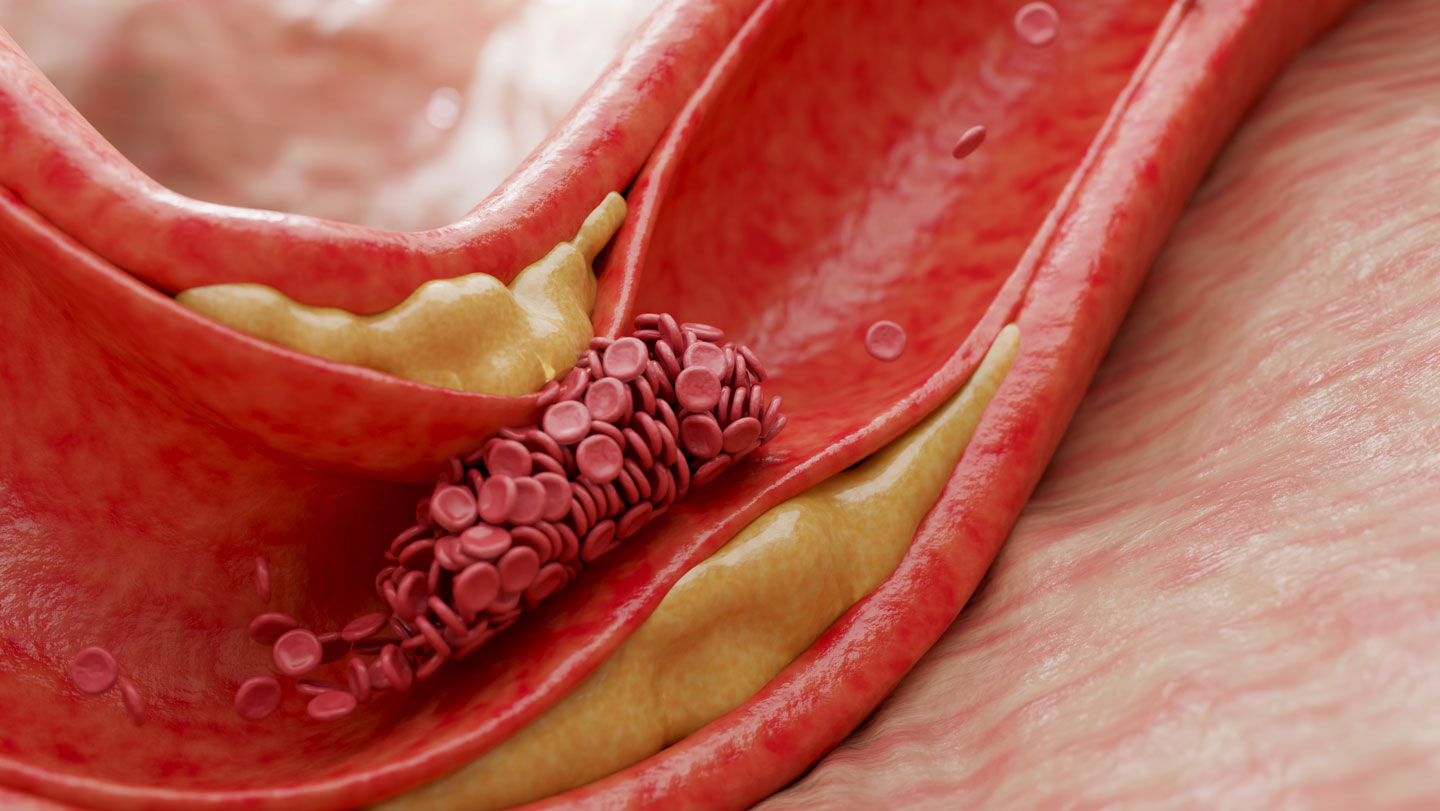
A small molecule left over after gut microbes finish digesting your meal may one day provide a new angle for managing cardiovascular disease.
Certain gut microbes break down the amino acid histidine, one of the building blocks of proteins, into a small molecule called imidazole propionate, or ImP. In a new study published July 16 in Nature, researchers found an association between higher blood levels of ImP and early cardiovascular disease. And in mice, the international team demonstrated how ImP contributes to the disease, opening up a potential therapeutic target.
.email-conversion { border: 1px solid #ffcccb; color: white; margin-top: 50px; background-image: url(“/wp-content/themes/sciencenews/client/src/images/[email protected]”); padding: 20px; clear: