
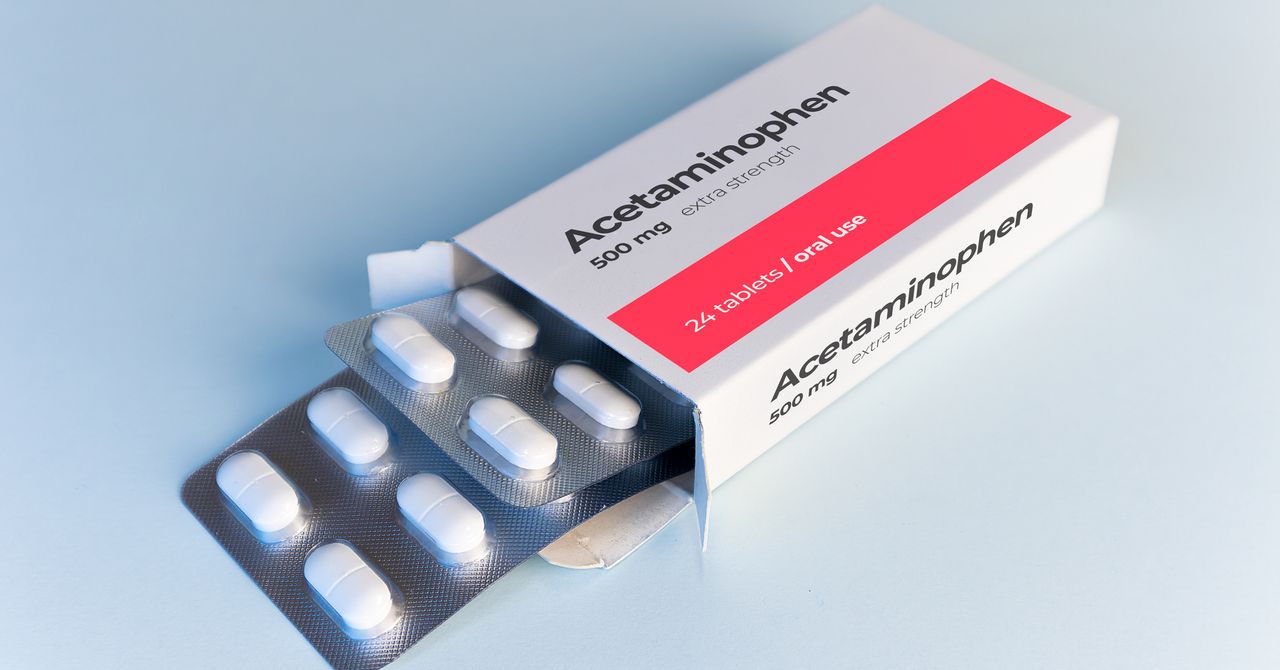
Researchers at the University of Edinburgh have succeeded in transforming certain plastic waste into acetaminophen using the natural properties of the common bacterium Escherichia coli (E. coli). This breakthrough represents a milestone with the potential to drive more sustainable methods of drug production and, at the same time, contribute to the reduction of plastic pollution globally.
The study, led by Stephen Wallace, revealed that E. coli cells contain phosphate, an organic compound capable of catalyzing a chemical reaction known as Lossen rearrangement. In general terms, this process involves the rearrangement of the atoms of a hydroxamate ester molecule to form a new structure called isocyanate, a chemical intermediate that, when