
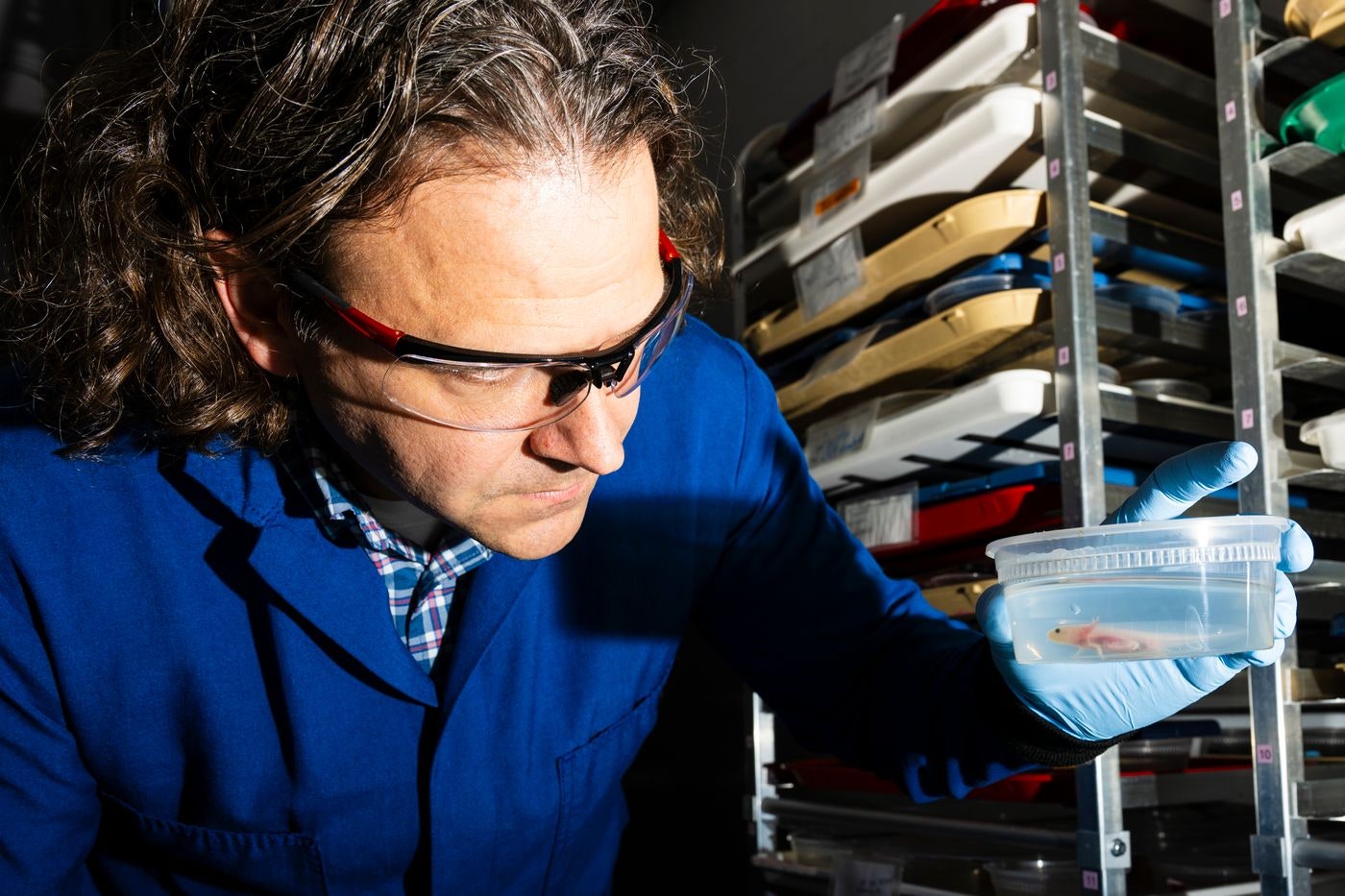
The axolotl seems like something out of science fiction. This perpetually youthful-looking Mexican salamander possesses a superpower that defies biology as we know it: the ability to regenerate entire limbs, parts of its heart, and even its spinal cord. But how does an amputated limb know whether to regenerate an entire arm from the shoulder down or just a hand from the wrist? This mystery of “positional identity” has fascinated scientists for decades.
A team at Northeastern University, led by James Monaghan, has unraveled a key piece of this biological puzzle. In a study published in Nature Communications, the researchers reveal an elegant molecular mechanism that acts like a GPS