
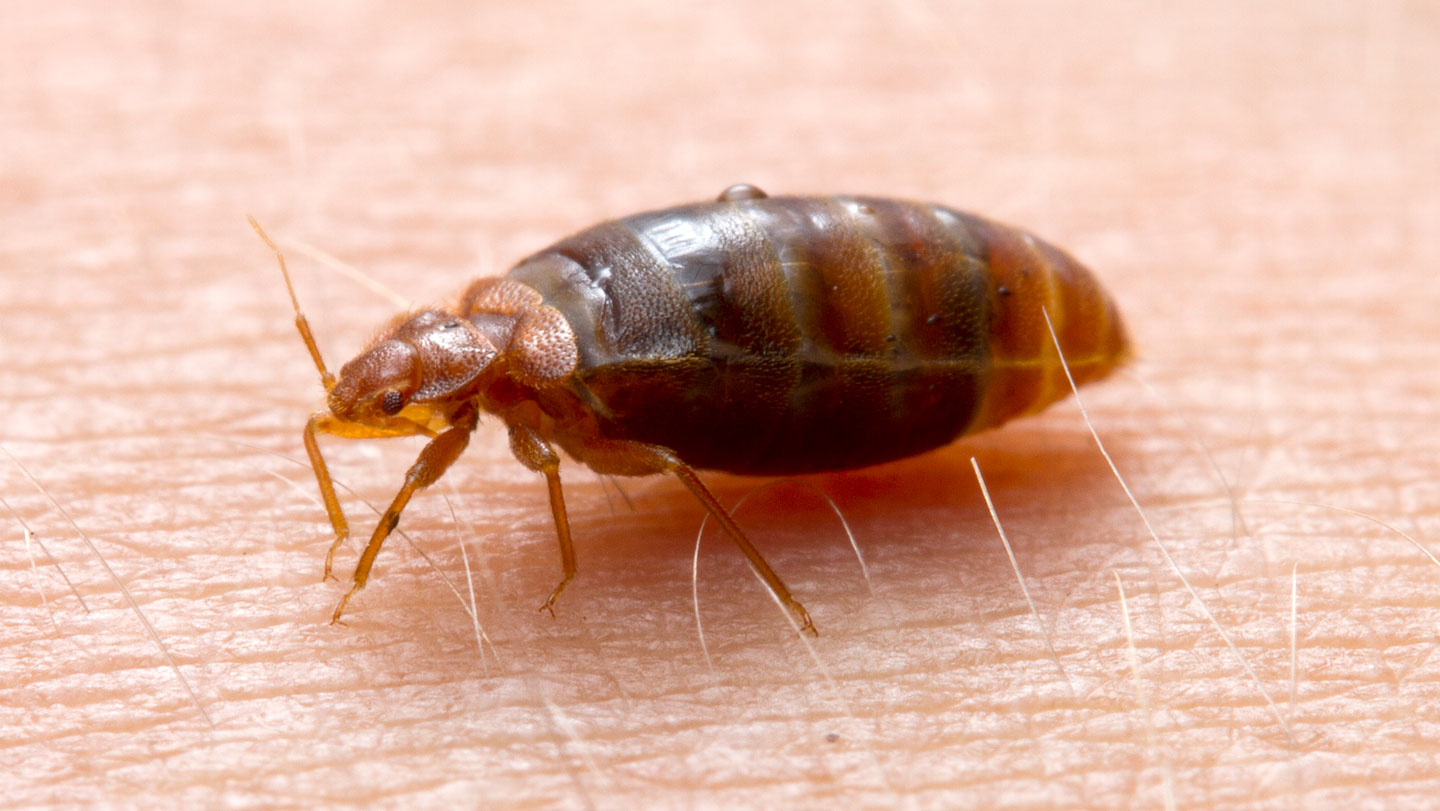
The earliest cities may have had plenty of parasitic, six-legged tenants.
Common bedbugs (Cimex lectularius) experienced a dramatic jump in population size around the time humans congregated in the first cities. The wee bloodsuckers were probably the first insect pests to flourish in a city environment and possibly one of the first urban pests overall, researchers report May 28 in Biology Letters.
Originally, bedbugs fed on bats. But around 245,000 years ago, one lineage took up a human diet (probably starting with Neandertals) and never looked back. About a decade ago, urban entomologist Warren Booth of Virginia Tech in Blacksburg and his colleagues extracted and analyzed the genomes of