
Putrid plants can reek of hot rotting flesh with one evolutionary trick

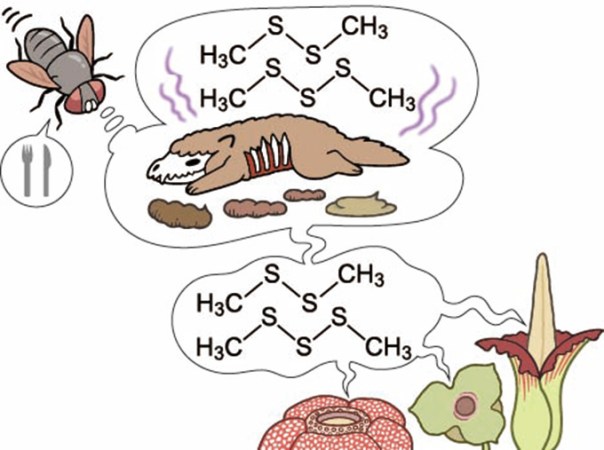
Some plants stink of rotting meat or dung, which helps them attract flies for pollination. How plants make the carrion stench, which is usually produced by bacteria feasting on decaying corpses, has been a mystery until now.

Several types of plants have independently evolved to make the fetid odor thanks to a few tweaks in one gene, researchers report May 8 in Science.

Scientists in Japan used biochemistry and molecular and evolutionary genetics to determine that three unrelated plant lineages hit on the same evolutionary trick to produce the smell. First, a gene called SBP1 was duplicated. (Gene duplication is a pretty common occurrence in the evolution of most

→ Continue reading at Science News

More from author

Related posts

Advertisment

Latest posts

Mark Zuckerberg Envisions a Future Where Your Friends Are AI Chatbots — But Not Everyone Is Convinced

Meta CEO Mark Zuckerberg predicts a future where AI will understand you so well that different AI personas will become your "friends."In a new...

NBA Hall of Famer Paul Pierce Just Walked 20 Miles to Work — in a Robe. Here’s Why.

NBA Hall of Famer and "Speak on FS1" host Paul Pierce predicted on Wednesday that his beloved Boston Celtics (where he played for 15...

From apps to gadgets, ‘Second Life’ considers how tech is changing having a baby

Getty Images When journalist Amanda Hess was 7...