
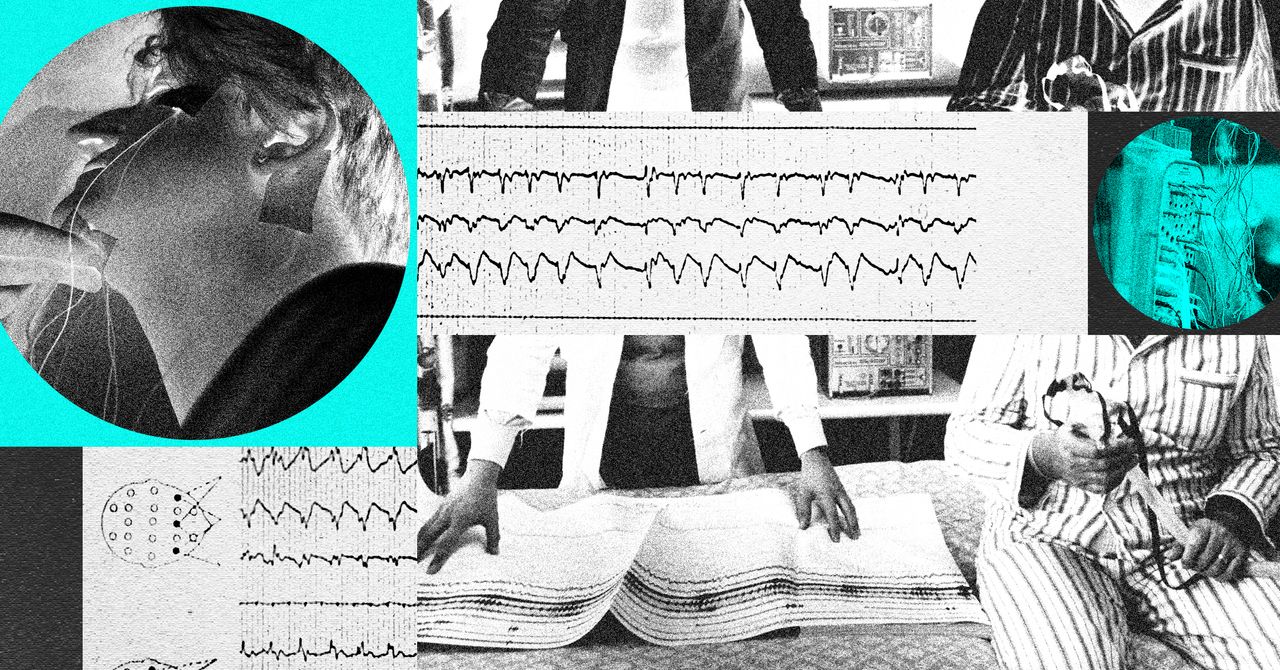
More than a century after sleep apnea was first described in literature, and decades after it was first recognized as a clinical disorder, treatment finally caught up. In 1981, Australian physician Colin Sullivan pioneered continuous positive airway pressure (CPAP), a device, fitted using a mask, that keeps the airway open during sleep. It remains the gold standard in sleep apnea care today. But not everyone can tolerate it, and a new wave of technologies is expanding treatment options beyond one-size-fits-all.
“The issue with CPAP is not that they don’t work—they do—but adherence,” says Joerg Steier, adjunct professor of respiratory and sleep medicine at King’s College London. Studies show CPAP can