
The original version of this story appeared in Quanta Magazine.
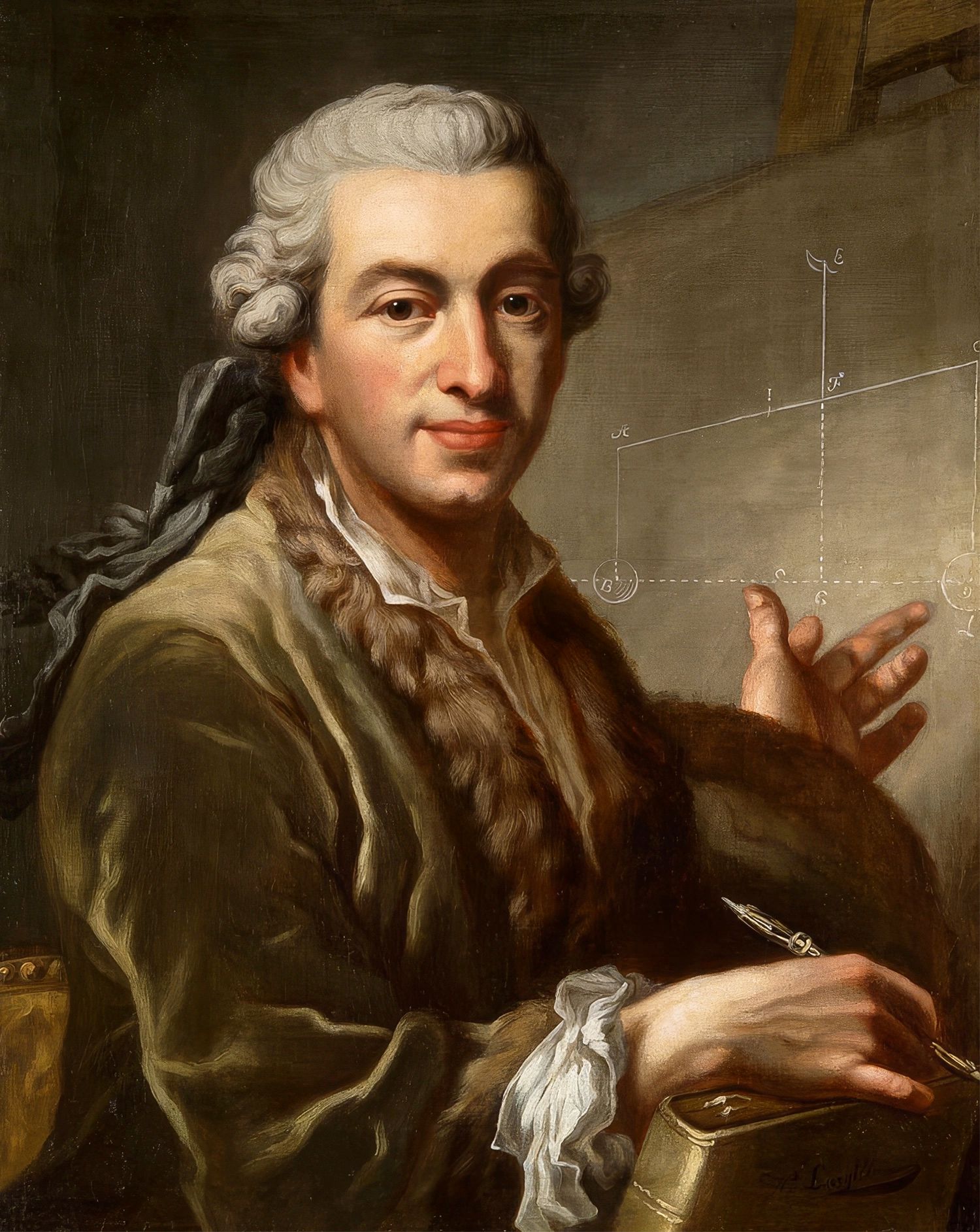
The French scholar Pierre-Simon Laplace crisply articulated his expectation that the universe was fully knowable in 1814, asserting that a sufficiently clever “demon” could predict the entire future given a complete knowledge of the present. His thought experiment marked the height of optimism about what physicists might forecast. Since then, reality has repeatedly humbled their ambitions to understand it.
One blow came in the early 1900s with the discovery of quantum mechanics. Whenever quantum particles are not being measured, they inhabit a fundamentally fuzzy realm of possibilities. They don’t have a precise position for a demon to know.
Another came later that