
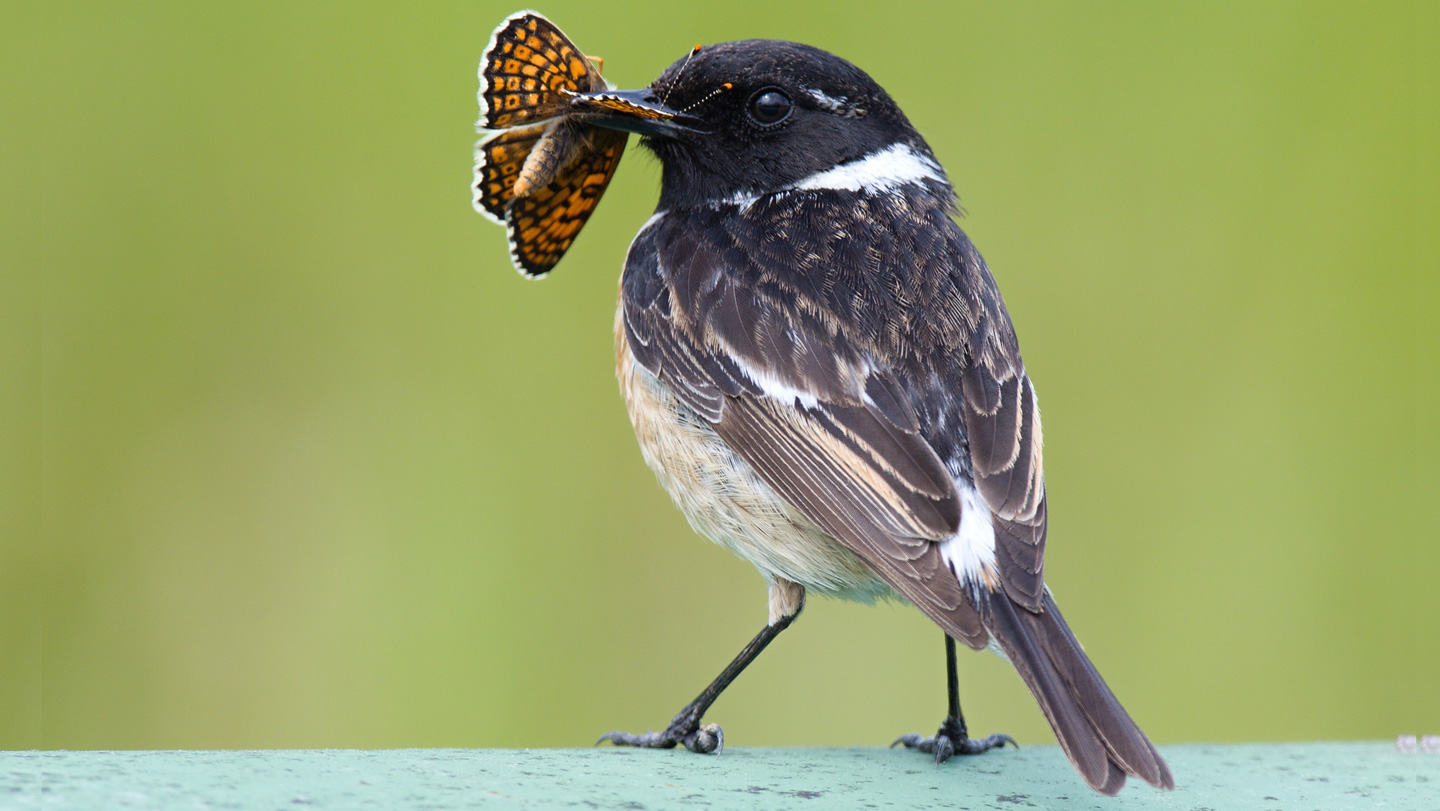
Prey animals can use their colors to hide from predators or dissuade them from attacking. But local conditions determine which option works best.
A global study comparing defensive coloration in insects reveals that camouflage and warning colors each excel under certain environmental conditions. The findings, published September 25 in Science, identify fundamental factors that may be driving the evolution of both strategies worldwide.
“This is the most comprehensive experimental study on warning signal success that I have ever seen,” says David Kikuchi, an evolutionary biologist at Oregon State University in Corvallis, who was not involved with the research. “It reveals patterns that have been previously hypothesized but not tested.”