
Plastics that support modern life are inexpensive, strong, and versatile, but are difficult to dispose of and have a serious impact when released into the environment. Polyethylene, in particular, is the most widely produced plastic in the world, with more than 100 million tons distributed annually. Since it can take decades to decompose—and along the way can harm wildlife and degrade into harmful microplastics—its disposal is an urgent issue for mankind.
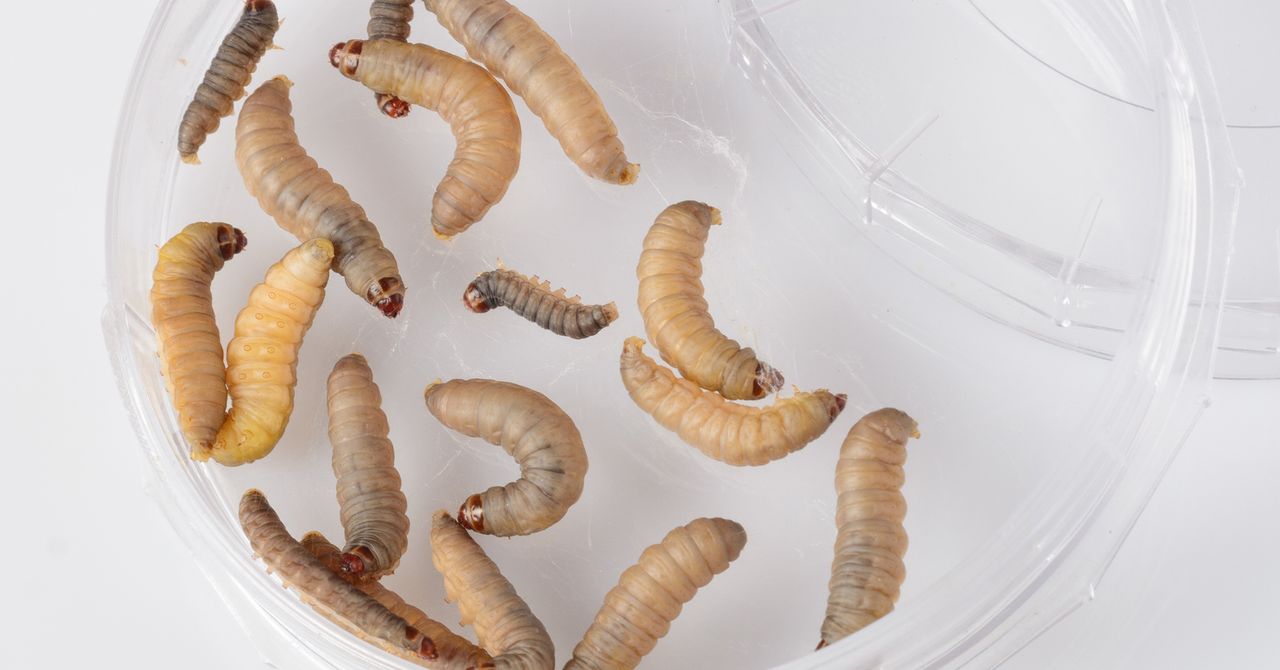
In 2017, European researchers discovered a potential solution. The larvae of wax moths, commonly known as wax worms, have the ability to break down polyethylene in their bodies. Wax worms have been considered