
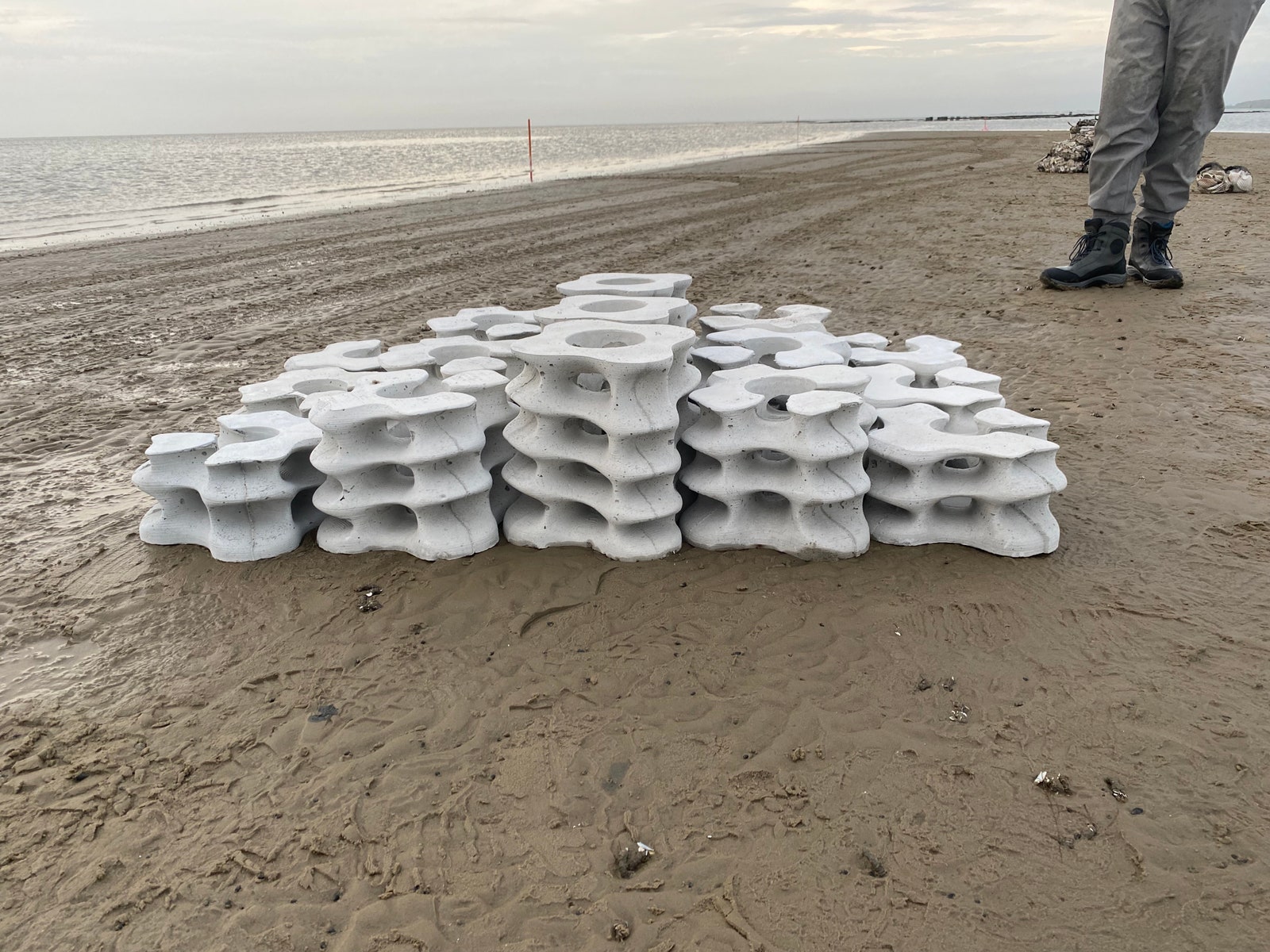
On October 10, 2018, Tyndall Air Force Base on the Gulf of Mexico—a pillar of American air superiority—found itself under aerial attack. Hurricane Michael, first spotted as a Category 2 storm off the Florida coast, unexpectedly hulked up to a Category 5. Sustained winds of 155 miles per hour whipped into the base, flinging power poles, flipping F-22s, and totaling more than 200 buildings. The sole saving grace: Despite sitting on a peninsula, Tyndall avoided flood damage. Michael’s 9-to-14-foot storm surge swamped other parts of Florida. Tyndall’s main defense was luck.
That $5 billion disaster at Tyndall was just one of a mounting number of extreme-weather events that convinced the