
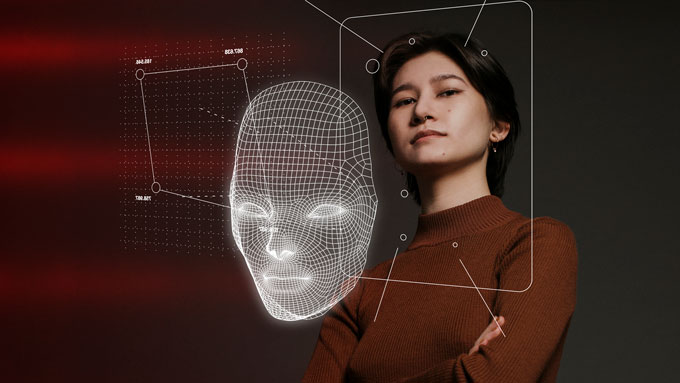
AI has long been guilty of systematic errors that discriminate against certain demographic groups. Facial recognition was once one of the worst offenders.
For white men, it was extremely accurate. For others, the error rates could be 100 times as high. That bias has real consequences — ranging from being locked out of a cell phone to wrongful arrests based on faulty facial recognition matches.
Within the past few years, that accuracy gap has dramatically narrowed. “In close range, facial recognition systems are almost quite perfect,” says Xiaoming Liu, a computer scientist at Michigan State University in East Lansing. The best algorithms now can reach nearly 99.9 percent accuracy across skin tones,