A sixth mass extinction? Not so fast, some scientists say
We may not be living through Earth’s sixth mass extinction event — at least not yet. That’s the conclusion of a new analysis of plant and animal extinctions published September 4 in PLOS

We may not be living through Earth’s sixth mass extinction event — at least not yet. That’s the conclusion of a new analysis of plant and animal extinctions published September 4 in PLOS

The original version of this story appeared in Quanta Magazine. Take a deep breath. A flow of air has rushed into your lungs, where the oxygen moves into your bloodstream, fueling metabolic fires
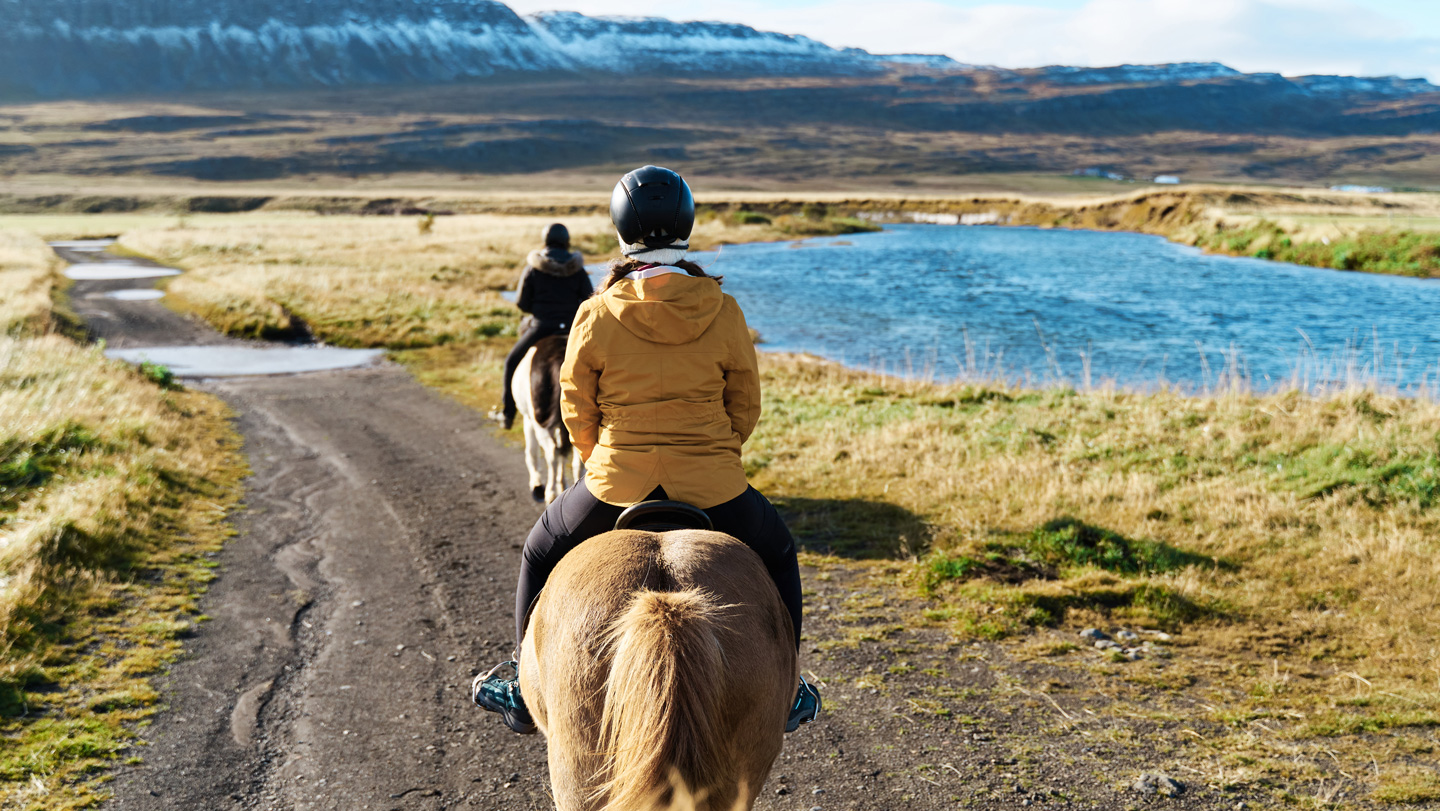
Two key gene variants may have made early domesticated horses more tame and more physically resilient to bearing a rider, researchers report August 28 in Science. The resulting horses were among the most
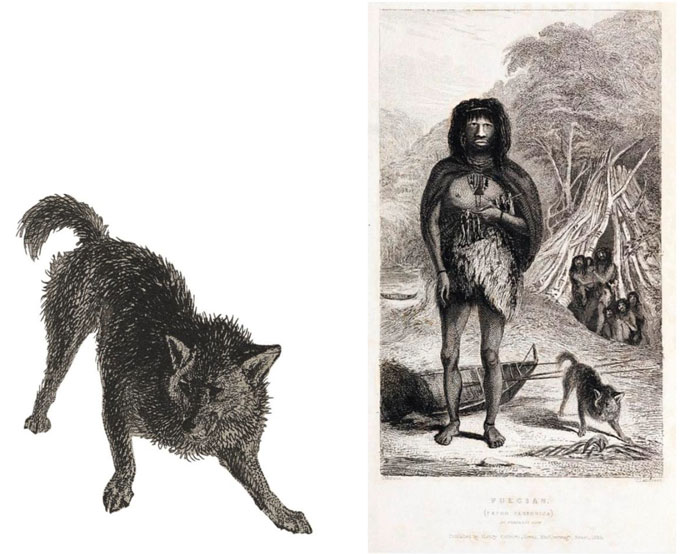
A strange and mysterious extinct dog breed from far southern South America might not have been a dog at all. The “Fuegian dogs” that lived with the Indigenous peoples of the Tierra del
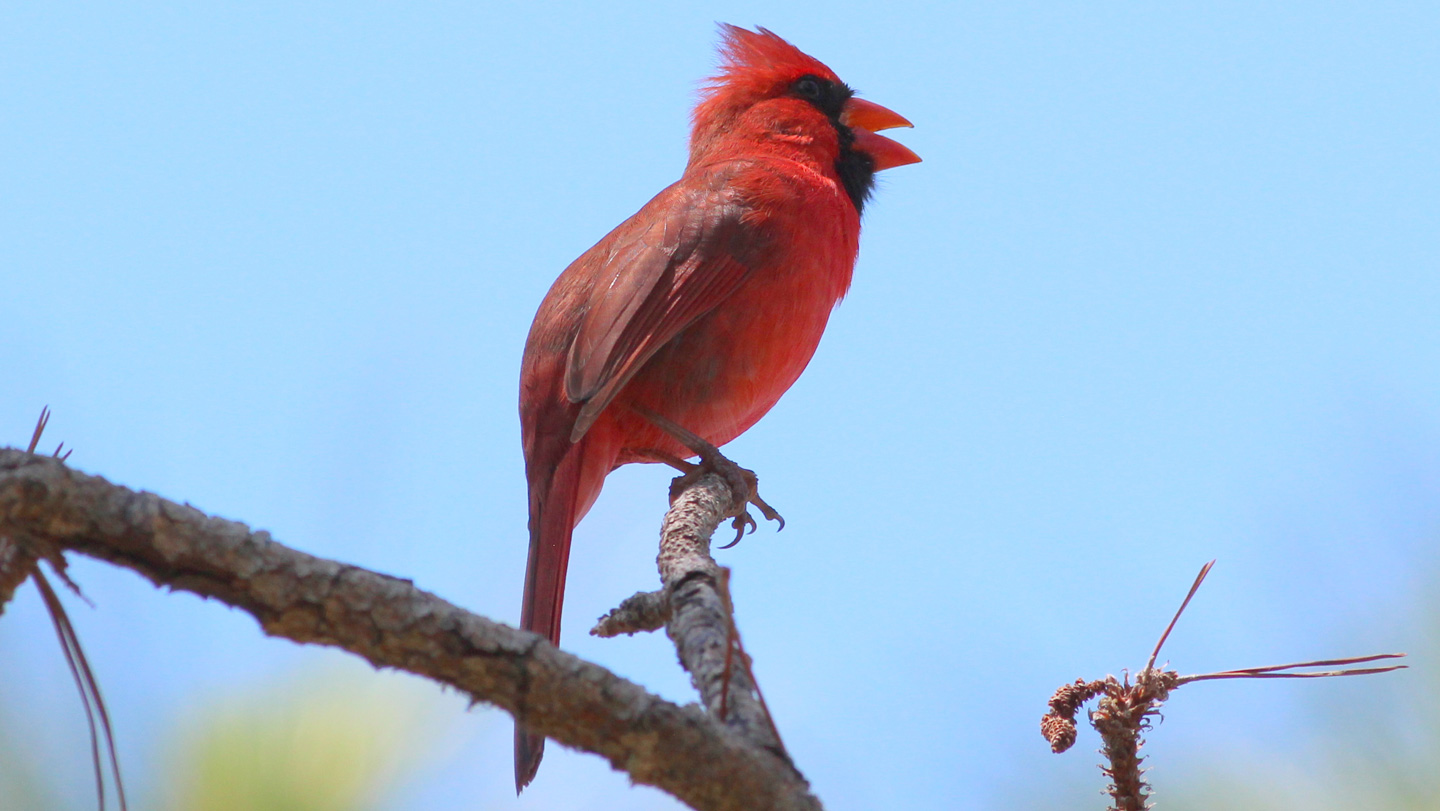
Light pollution makes birds work overtime. A behavioral analysis of nearly 600 bird species suggests that light pollution from human development can lengthen the time birds spend singing by nearly an hour per

Some people may be predisposed to having children of just one sex. That’s the conclusion of new findings published July 18 in Science Advances. While the chances of having a male or female
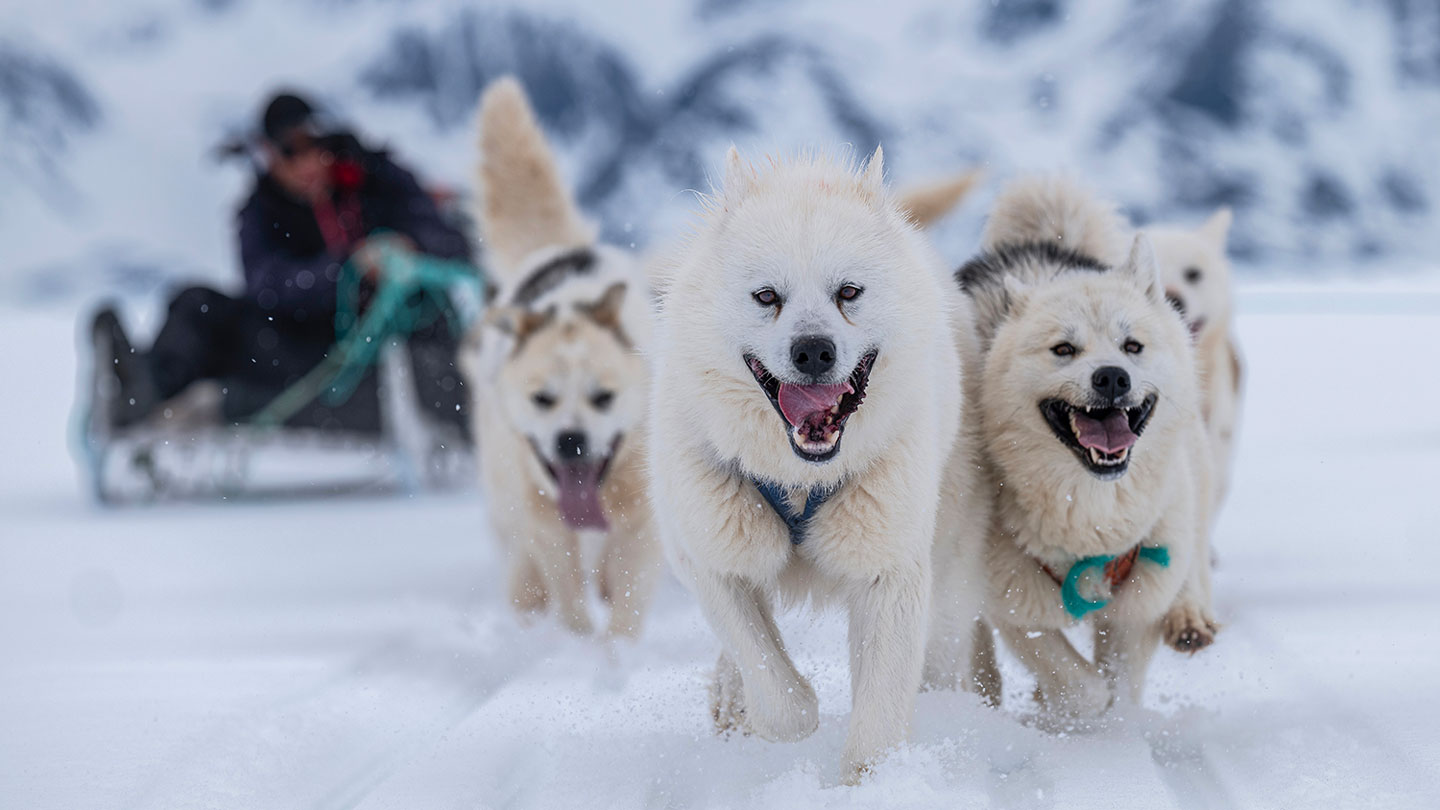
A millennium-long story about Greenland is written in the genes of the island’s sled dogs. A new genomic analysis, published July 10 in Science, suggests that humans (and their sled dogs) arrived in the
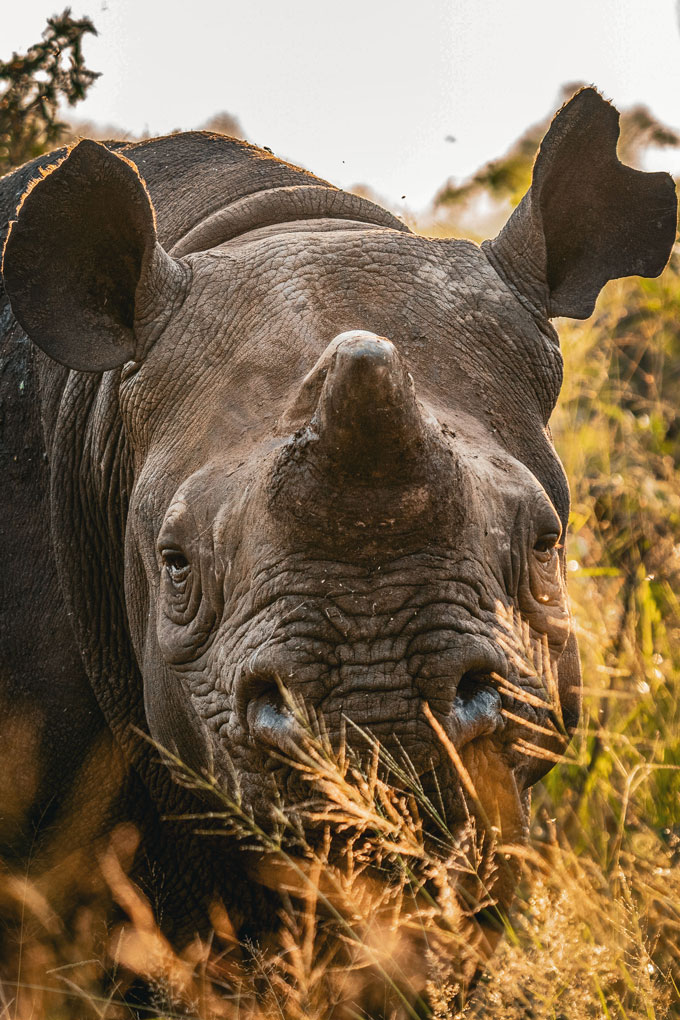
Rhino poaching may be substantially reduced by removing the reason so many rhinos are poached in the first place: their highly valued horns. Dehorning rhinos dramatically drops the poaching rate compared with other
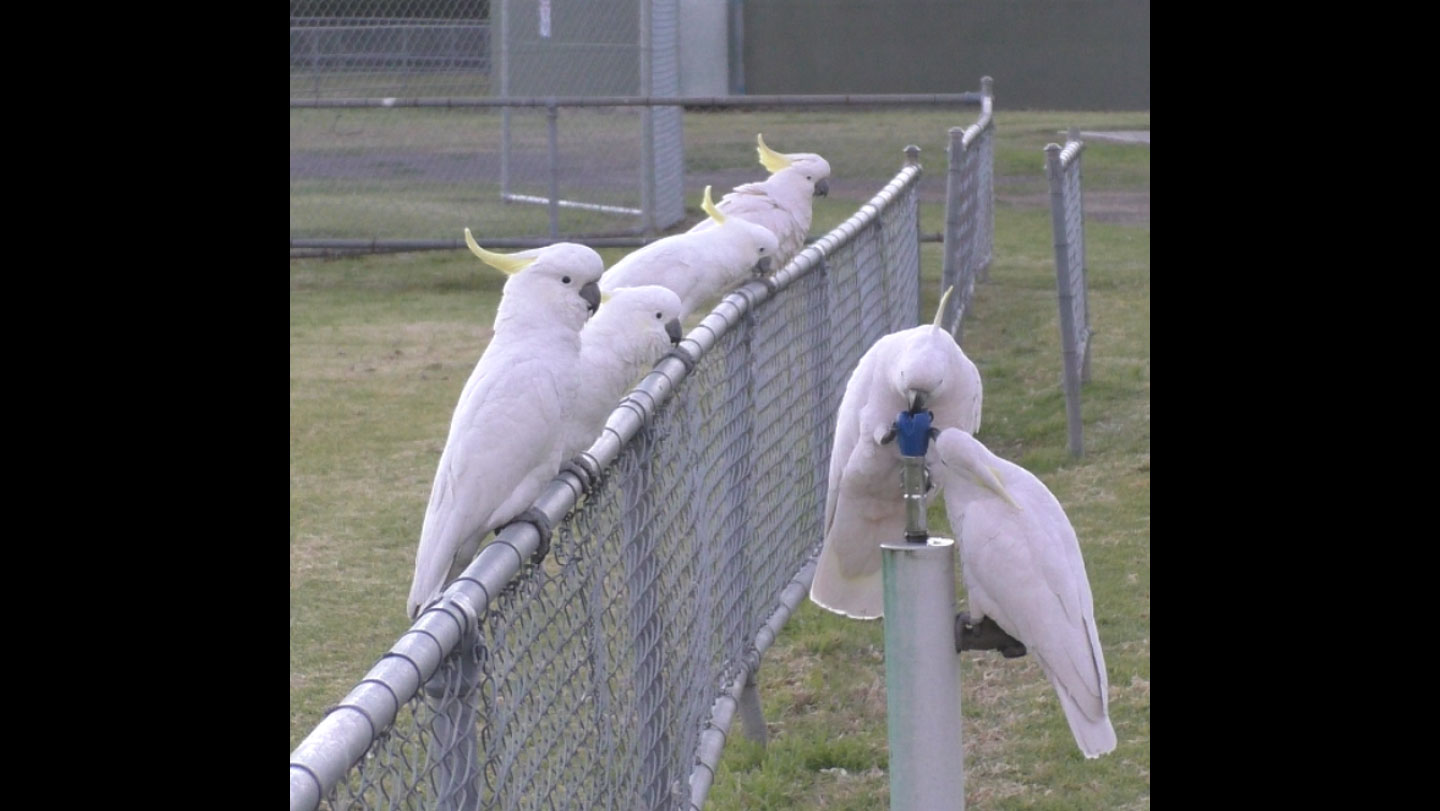
On a hot day, a few glugs from a park drinking fountain can be a major relief — and some of Sydney’s cockatoos agree. The brainy city-dwelling parrots have figured out how to
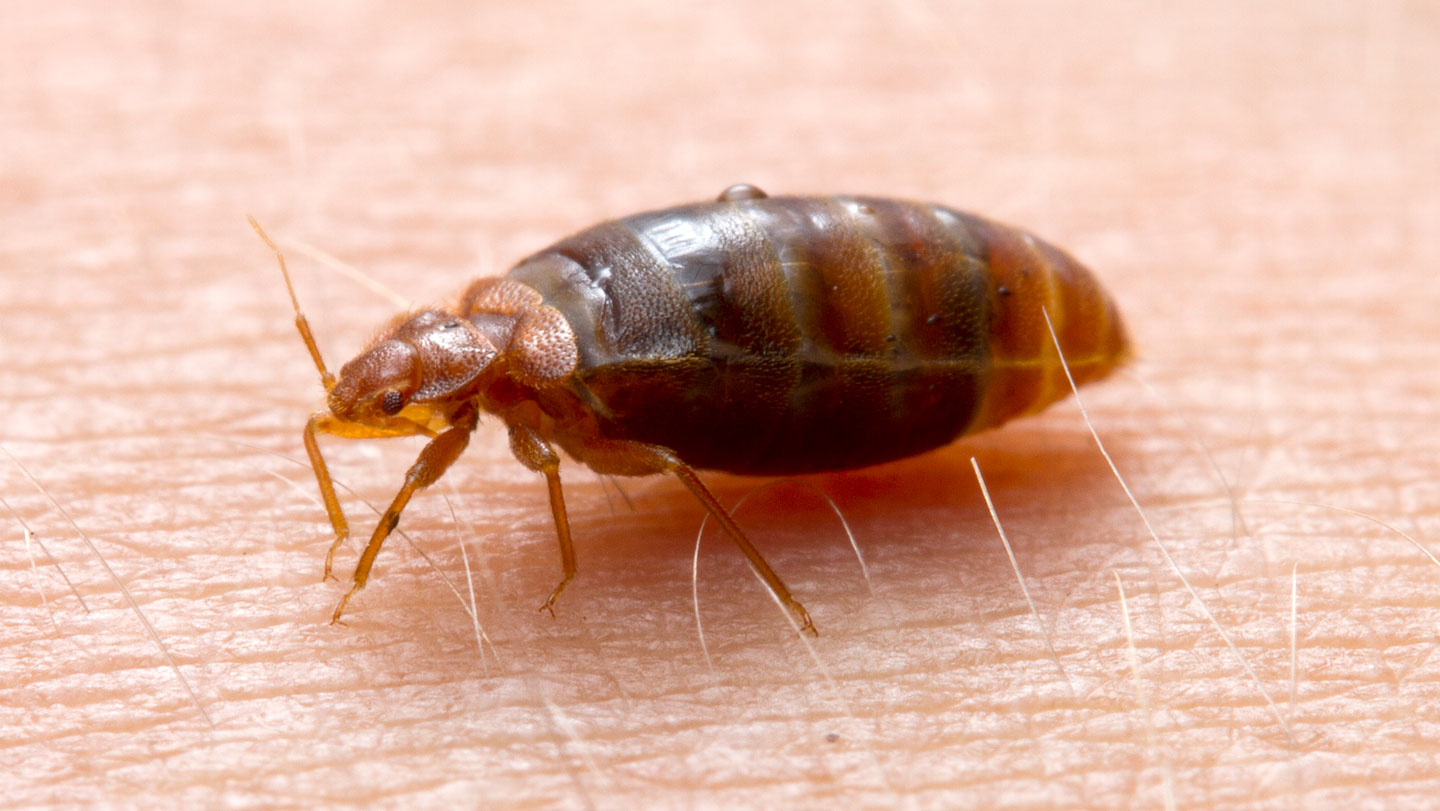
The earliest cities may have had plenty of parasitic, six-legged tenants. Common bedbugs (Cimex lectularius) experienced a dramatic jump in population size around the time humans congregated in the first cities. The wee