
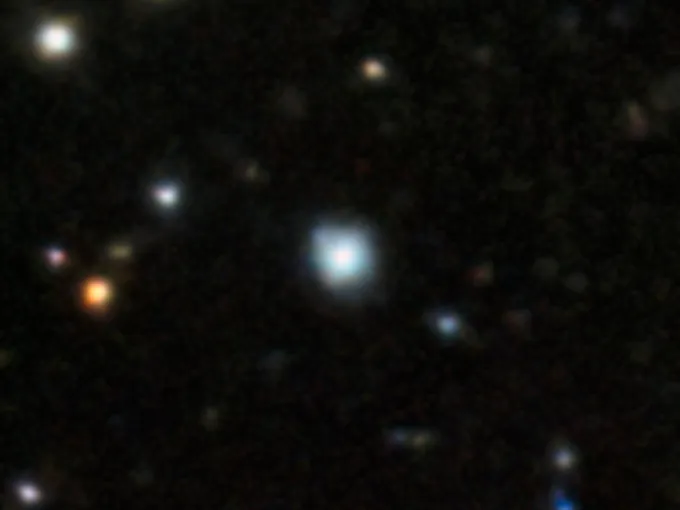
In an ancient dwarf galaxy on the outskirts of the Milky Way, astronomers have discovered one of the most chemically primitive stars ever seen. Named PicII-503, the star’s extreme lack of heavy elements indicates it’s from the second generation of stars, preserving chemical traces from the very first stars in the cosmos.
Described March 16 in Nature Astronomy, PicII-503 is the first unambiguous second-generation star found in an ultrafaint dwarf galaxy, providing a window into how these stars formed during the initial chemical enrichment of the universe.
#newsletter-helper svg { width: auto; fill: #f1563e; } #newsletter-helper { display: flex; border-top: 1px solid gray; padding-top: 10px;