
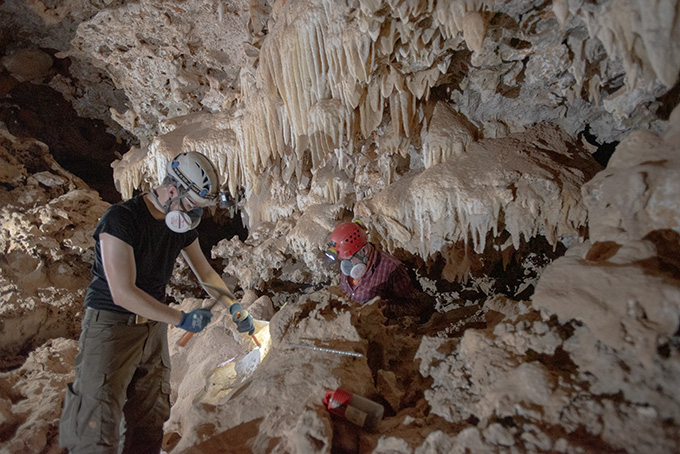
The Arabian Desert, today the largest expanse of windswept sand dunes on Earth, experienced recurring periods of humidity millions of years ago, researchers report April 9 in Nature. The study may explain how mammals at that time survived the trek across what is now a vast and barren landscape.
The findings come from mineral formations deep inside caves beneath the Arabian Peninsula. These speleothems — stalagmites and stalactites, formed by dripping rainwater — provide evidence that the region underwent repeated humid periods stretching back nearly 8 million years. The scientists used uranium dating to precisely determine the ages of speleothem samples, offering one of the oldest climate records for