
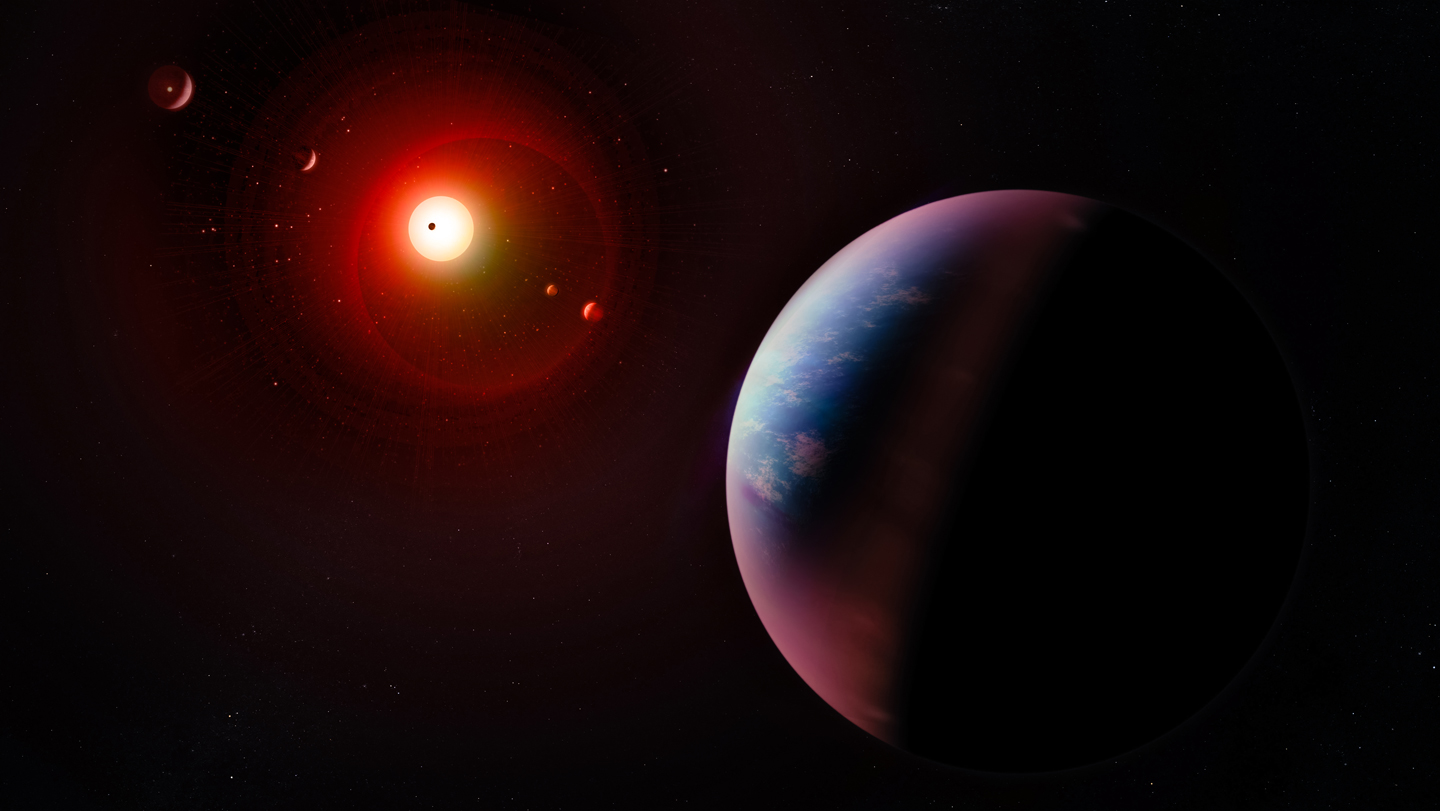
Astronomers’ favorite fable just got a new twist. The “Goldilocks zone” — the region of space not too close and not too far from a star where liquid water could exist on a planet’s surface — now has a chemical equivalent. Researchers have found that a narrow range of planetary conditions are necessary to ensure the availability of bioessential nutrients like phosphorus and nitrogen.
The team simulated tens of thousands of exoplanets and found that fewer than 1 in 10 had Earthlike abundances of phosphorus and nitrogen. The results might help explain why life hasn’t yet been found beyond our home planet, planetary scientist Craig Walton and colleagues report