
Shrouded from astronomers’ view by dense clouds, Earth’s “sister planet” Venus is slowly giving up some of its secrets.
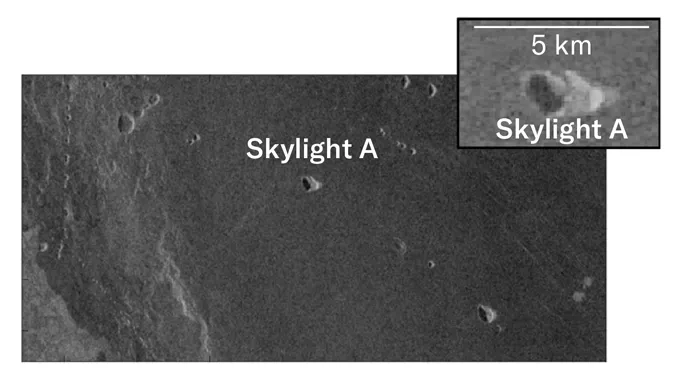
A lava tube beneath the Venusian surface — the first ever detected — could help explain how the planet formed, researchers report February 9 in Nature Communications. The detection was made by re-analyzing orbital radar data from an early 1990s NASA probe, to reveal a collapsed “skylight” in the roof of the lava tube.
The discovery will influence two future probes: NASA’s VERITAS mission, due to launch before June 2031, and the European Space Agency’s EnVision mission, which is expected to launch later the same year.