
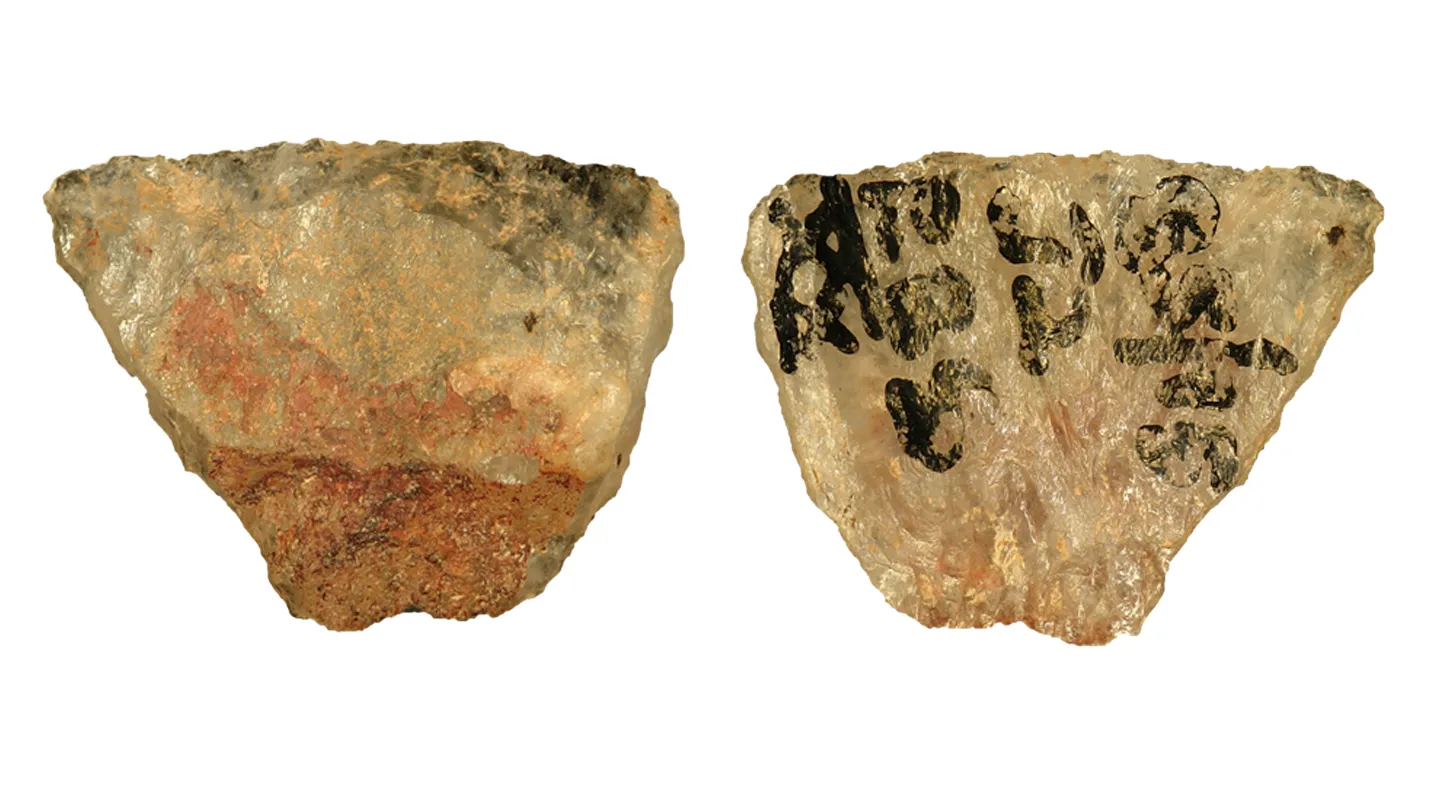
A new analysis of ancient arrowheads from South Africa pushes back prehistoric humans’ earliest use of poisoned weapons by more than 50,000 years.
The five 60,000-year-old quartz arrowheads still have traces of a poison made from a bulbous flowering plant named gifbol (Boophone disticha), also called “poisonous onion,” that was used until recent centuries by traditional hunters. The find points to a “cognitively complex” hunting strategy among early humans, researchers report January 7 in Science Advances.
#newsletter-helper svg { width: auto; fill: #f1563e; } #newsletter-helper { display: flex; border-top: 1px solid gray; padding-top: 10px; padding-left: 20px; margin-bottom: 10px; max-width: 900px; margin: auto } .zephr-form-container {