
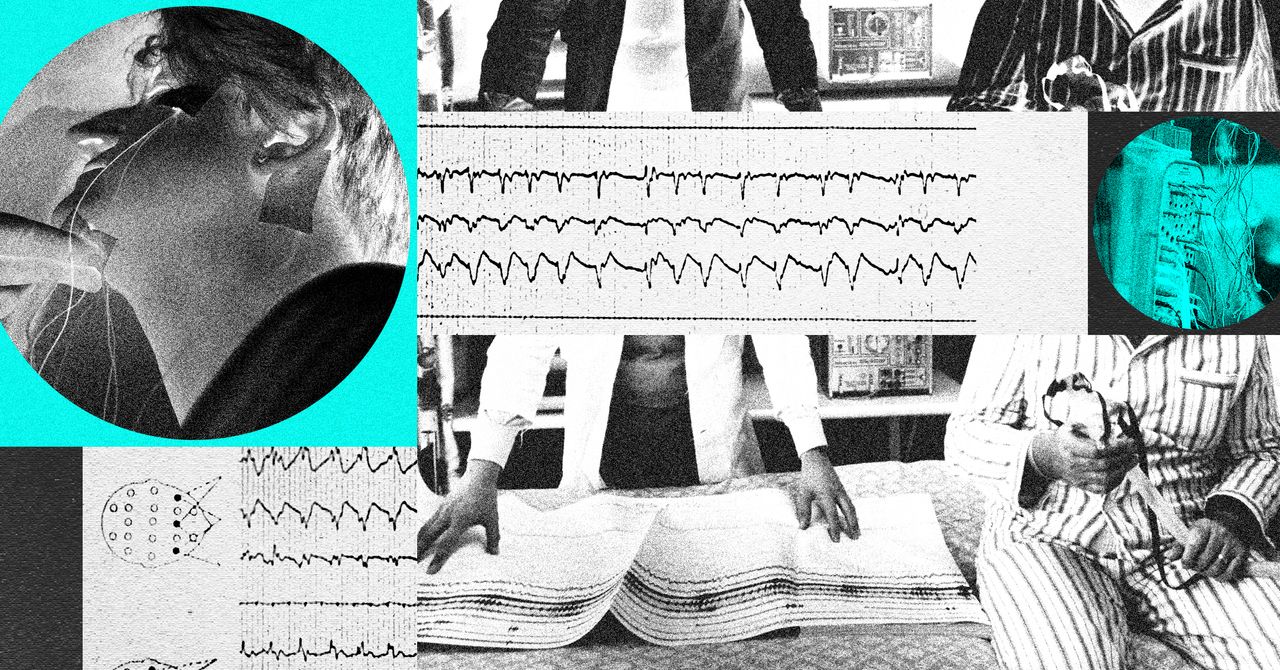
Technology Is Reshaping Sleep Apnea Treatment

More than a century after sleep apnea was first described in literature, and decades after it was first recognized as a clinical disorder, treatment finally caught up. In 1981, Australian physician Colin Sullivan pioneered continuous positive airway pressure (CPAP), a device, fitted using a mask, that keeps the airway open during sleep. It remains the gold standard in sleep apnea care today. But not everyone can tolerate it, and a new wave of technologies is expanding treatment options beyond one-size-fits-all.

“The issue with CPAP is not that they don’t work—they do—but adherence,” says Joerg Steier, adjunct professor of respiratory and sleep medicine at King’s College London. Studies show CPAP can

→ Continue reading at Wired - Science

More from author

Related posts

Advertisment

Latest posts

AI auto-complete may subtly shape views on social issues

Using AI to auto-complete written communications may be tempting. But the large language models may also auto-complete thoughts, researchers report March 11 in Science...

One possible recipe for life on Titan is a bust

Hopes for life inside bubbles on Titan have deflated. Oceans of liquid methane and ethane on Saturn’s biggest moon may not support the...

Make It Make Sense: How will this war impact affordability and the U.S. economy? | CNN Business

CNN's Wolf Blitzer speaks with CNN Senior Reporter David Goldman as we break down economic headlines and cut through the white noise to help...